🟢 Calls Answered 24/7📍 Serving 272 Colorado Cities⛈️ Hail Season — Most Colorado Hail Falls May–August📍 Castle Rock, CO 80104⭐ 18+ Years Of Experience
🟢 Calls Answered 24/7📍 Serving 272 Colorado Cities⛈️ Hail Season — Most Colorado Hail Falls May–August📍 Castle Rock, CO 80104⭐ 18+ Years Of Experience🟢 Calls Answered 24/7📍 Serving 272 Colorado Cities⛈️ Hail Season — Most Colorado Hail Falls May–August📍 Castle Rock, CO 80104⭐ 18+ Years Of Experience
Hail Damage Roof Repair & Replacement In Larimer County, CO
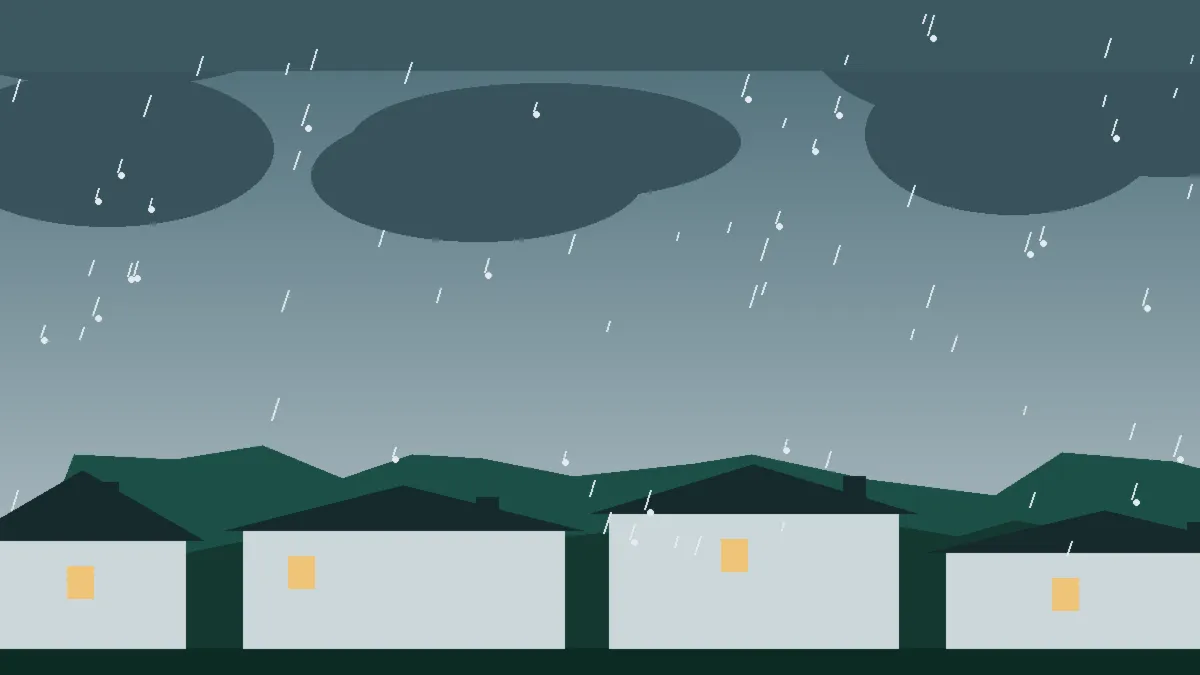
Storm light over Larimer County rooftops — the county whose 476 recorded hail events make it one of Colorado's most claim-active roofing territories. A hail front crossing Larimer County, Colorado — the weather behind every town.
⭐ 18+ Years Of Experience🏠 272 Colorado Cities Served⏱️ Pros Can Arrive In 30–60 Minutes
GLERTCBCMV★★★★★“roof damage is almost an annual worry” — Elena Rostova, Colorado Springs
Free To CallAnswered 24/7Independent Local ProsNo ObligationServing 272 Colorado Cities18+ Years Of ExperienceFree To CallAnswered 24/7Independent Local ProsNo ObligationServing 272 Colorado Cities18+ Years Of Experience
Hail Damage Roof Repair & Replacement In Larimer County: The Short Answer
One county, 10 towns on this site, and one of Colorado's serious hail records — here is Larimer County in brief.
NOAA logged 476 hail events in Larimer County from 1995 to 2024, with a largest stone of 4 inches. Every town below has its own page — its own ZIPs, data and nearby-town comparisons — and one free number reaches a local pro in any of them, around the clock for emergencies.
Larimer County At A Glance
Larimer County's key figures in one strip — storm history, size, and the towns this site serves within it. The county in numbers: the hail record, the population, the towns covered here, and the seat that keeps its records.
476
Hail events in Larimer County, 1995–2024
NOAA NCEI Storm Events
4 in
Largest hail recorded in Larimer County
NOAA NCEI Storm Events
367,368
Residents of Larimer County
U.S. Census Bureau ACS 2024
10
Larimer County towns covered on this page
This service
Fort Collins
Larimer County seat
Larimer County
30 yrs
Of NOAA hail records behind this page
NOAA NCEI Storm Events
Cities We Serve In Larimer County
10 communities, 10 different roof stories — pick yours for its own hail data, housing numbers and ZIP list.
Hail rarely stops at the shingles. The same storm that bruises a roof in Larimer County dents gutters, splits siding and starts leaks, so the six services below are the ones local pros are called for most after a storm here.
Roof Replacement In Larimer County, CO
A pro measures every slope first and talks through materials, Class 4 impact-resistant options and cost factors before any work is booked in Larimer County. A full replacement removes the damaged roof down to the deck, so hidden bruising and soft spots in Larimer County are fixed in the open.
Dents along a run are photographed before any straightening — once the metal is repaired, the evidence of the storm's size goes with it. Gutter damage is strong claim evidence, because bent metal records the storm's direction and stone size in a way shingles alone sometimes cannot show.
Slope-by-slope hit counts, not impressions, are what the report leads with — the numbers the claim will be argued from on both sides. A proper inspection covers every slope, plus the attic side where leaks and deck damage show first, and it ends with dated photos tied to your address.
Temporary patches are photographed and kept on file, and the permanent repair builds on the same evidence once the roof is dry enough to work. Fast repairs stop a small entry point from rotting decking and insulation, which is where a cheap fix quietly turns into a structural bill later.
Replaced gutters protect the new roof's edge, the fascia behind it and the foundation below — three payoffs from one straightforward job in Larimer County. When hail crushes long runs beyond straightening, replacement is the honest fix: new sections, correct pitch, sealed corners and downspouts that drain clear.
The wall behind damaged panels is checked for torn wrap and wet sheathing before new panels close it up again and hide whatever the storm let in. Hailstones big enough to bruise shingles also crack vinyl siding, dent fibre-cement and chip paint on the storm-facing walls of Larimer County homes.
Why roofs in Larimer County live the lives they do: the storm record, the spread of towns under it, the housing those towns hold, and the winter that follows every hail season.
The County Hail Record
Start with the record. Larimer County logged 476 hail events in the 30 years from 1995 to 2024 — among the heaviest totals in Colorado — and the largest stone measured 4 inches. Those are county figures, and Bellvue sits squarely in the storm track that produced them. The storms build over the high country in the afternoon and strengthen as they move, which is why hail here is a recurring season rather than a freak event.
Towns, Altitudes And Storm Tracks
The county seat is Fort Collins, and the towns on this page run from valley floors to high settlements — every one of them inside the same storm system. Afternoon cells build over the ranges and move; the county's 476 recorded events are the sum of those passages, town by town, year by year. Altitude changes the details — thinner air, stronger sun, deeper winters — but no town in Larimer County sits outside the pattern. Larimer County sits west of the Front Range corridor Coloradans call Hail Alley — but its own recorded 476 events say the risk is real here too.
Housing Across The County
Across the county's towns, the pattern repeats: older homes with roofs in every stage of life, newer subdivisions with architectural shingles, and barns, shops and outbuildings under metal and older coverings. Owner-occupiers make most of the repair decisions, and the claim route — inspection, documentation, adjuster, scope — is the same in every town, which is why each town page follows the same structure with its own numbers.
Winter: The Second Season
Hail is the summer problem; winter writes the second act. The Hourglass Rsvr station normals give Bellvue about 173.8 inches of snow a year and 241.3 nights at or below freezing. Meltwater from that snow finds every hail crack, freezes in it overnight and prises it wider. Ice dams at the eaves and freeze-thaw in the valleys are why a roof that 'survived' the storm in July can be leaking by February.
Materials That Suit Larimer County
Materials earn their keep differently at this elevation. Standard asphalt shingles are the baseline; Class 4 impact-resistant shingles buy real odds against the next big stone, and some insurers price that in. Underneath, ice & water shield at the eaves guards the freeze line, while starter strips and closed valleys handle the wind-driven rain that rides in with hail. Add the county's snow load on top and the specification nearly writes itself — the pro's job is matching it to your roof's pitch, age and exposure.
The Storm Season Rhythm
Storm season here has a rhythm: the first severe cells arrive in May, the peak runs through June and July, and late storms can still drop damaging hail into September. Roofs in Larimer County therefore get inspected on a cycle, not on a hunch — a spring check before the season, a look after any storm that drops stones nearby, and repairs finished before the snow load arrives. It is unglamorous, and it is exactly how roofs here reach their full working life.
Terms Worth Knowing In Larimer County
The freeze-thaw cycle works meltwater into every hail crack all winter, widening small damage a little more each cold night.
Larimer County Snapshot
Largest County Hail: 4 in
Share of Colorado's 5.25 in state record · NOAA NCEI 1995–2024
County Hail Events: 476
Against El Paso County's state-high 1,552 · NOAA NCEI 1995–2024
Larimer County recorded 476 hail events between 1995 and 2024 in the NOAA Storm Events Database — an average of roughly 16 reported events a year, in a state that leads the country for large hail. The largest stone recorded in the county measured 4 inches. Reports cluster from May to August, in the late-afternoon storms that build over the high country and roll east.
Every community on this page: Bellvue, Drake, Estes Park, Fort Collins, Laporte, Livermore, Loveland, Red Feather Lakes, Timnath, Wellington. Each town has its own page with its own ZIP codes, its own data and its own nearby-town comparisons — the county page is the index, not a substitute. One free call reaches a pro for any of them, and emergency cover runs around the clock across the county.
Start with evidence: a roof inspection with chalked test squares and dated photographs, matched to a storm date in the NOAA record. Then open the claim, meet the adjuster — ideally with your pro present — and agree the scope of loss. If the first scope misses documented damage, a supplement follows with the photos. The deductible is yours to pay; Colorado law (SB38) forbids any contractor from covering it for you.
From the ground: dents in gutters, downspouts, vents and soft metals, granules washing out at downspout bases, debris in the yard, and new stains on ceilings inside. Photograph what you find with the date. Then book a roof-level inspection — test squares and counts — because the damage that decides a claim is mostly invisible from the street, in every town in this county.
Normally, yes. The county building department issues roofing permits for full replacements and schedules the inspections its rules require. Your pro pulls the permit as part of the job and keeps the paperwork with the claim file. Repairs are treated differently from full replacements in most Colorado counties; the pro handling your roof confirms what your job needs before work starts.
Higher ground means stronger sun and larger day-to-night temperature swings. UV cooks exposed asphalt faster, so hail-stripped shingles age quickly, and meltwater that sneaks under a covering refreezes at night and works the gap wider. It is why the county's inspection advice stresses granule loss and why ice-and-water shield at the edges is standard practice rather than an upgrade here.
Yes — hail is a standard covered peril on Colorado homeowners policies, subject to your deductible, which on many policies here is a percentage of the home's insured value. The claim must be filed inside the policy's window and supported by documentation tying the damage to a recorded storm date. Larimer County's storm history is in the NOAA record, which is what adjusters check claims against.
Pros matched through the emergency pages for each town can typically arrive in 30 to 60 minutes, around the clock. The county's towns each have their own emergency page with the same free number. First visits stop the water — tarping and dry-in; permanent repairs follow once roofs are dry and the claim documentation is in place.
The county combines frequent hail with strong sun, snow and freeze-thaw cycling, so the common-sense specification is architectural asphalt shingles — or Class 4 impact-resistant shingles where the budget and any insurer discount support them — over synthetic underlayment, with ice-and-water shield at the eaves and valleys. Metal roofing suits some buildings and dents rather than cracks. The right answer is the one matched to the roof's pitch, age and exposure.
Sources & Data
NOAA National Centers for Environmental Information (NCEI) — Larimer County Hail Records, 1995–2024 · 2026 · Storm Events Database
Larimer County, Colorado — Official County Website · 2026 · Larimer County
U.S. Census Bureau — American Community Survey (ACS) 2024 5-Year Estimates: Larimer County, Colorado · 2026 · American Community Survey (ACS)
U.S. Geological Survey (USGS) — The National Map: Bellvue Elevation · 2026 · The National Map
National Weather Service (NWS) — Denver/Boulder Forecast Office: Larimer County Watches & Warnings · 2026 · NWS Denver/Boulder
Last Updated: October 26, 2026
Need A Roofing Pro In Larimer County?
One free call connects you with an independent local pro anywhere in Larimer County — pick your town above for its own page, or call now and tell us the town and ZIP.