
Impact-Resistant Shingles In Colorado: Class 4 Explained
In This Guide
Quick Answer
Impact-resistant shingles are asphalt shingles built and tested to survive hail impacts that crack standard products — rated under UL 2218 from Class 1 to Class 4, with Class 4 the toughest. In Colorado, they are the standard upgrade after a hail claim: tougher mats, possible insurance premium discounts, and a longer argument-free life in Hail Alley. This guide explains the ratings, the materials, the discounts and the honest limits.
The UL 2218 Rating, Explained
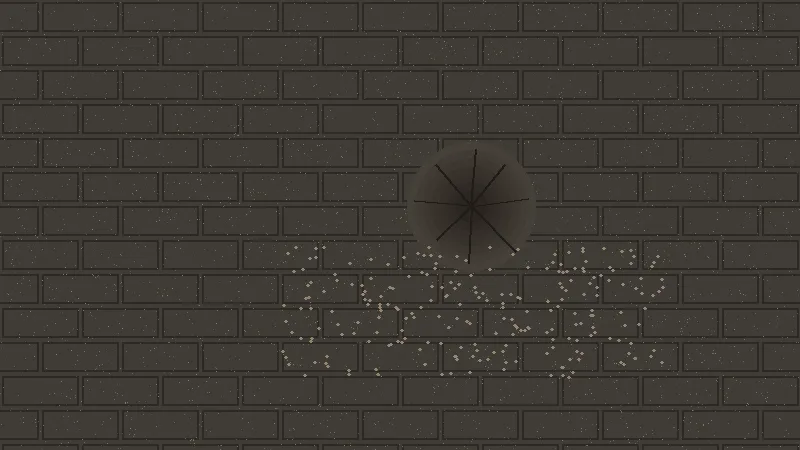
Impact resistance is not a marketing adjective; it is a laboratory grade. Under UL 2218, steel balls of increasing size are dropped on a shingle from a set height — twice in the same spot — and the shingle passes a class if its back shows no cracking. Class 1 survives the smallest test ball; Class 4, the highest, survives a 2-inch steel ball dropped from 20 feet, twice, without splitting. That is the number behind every 'Class 4' claim in Colorado.
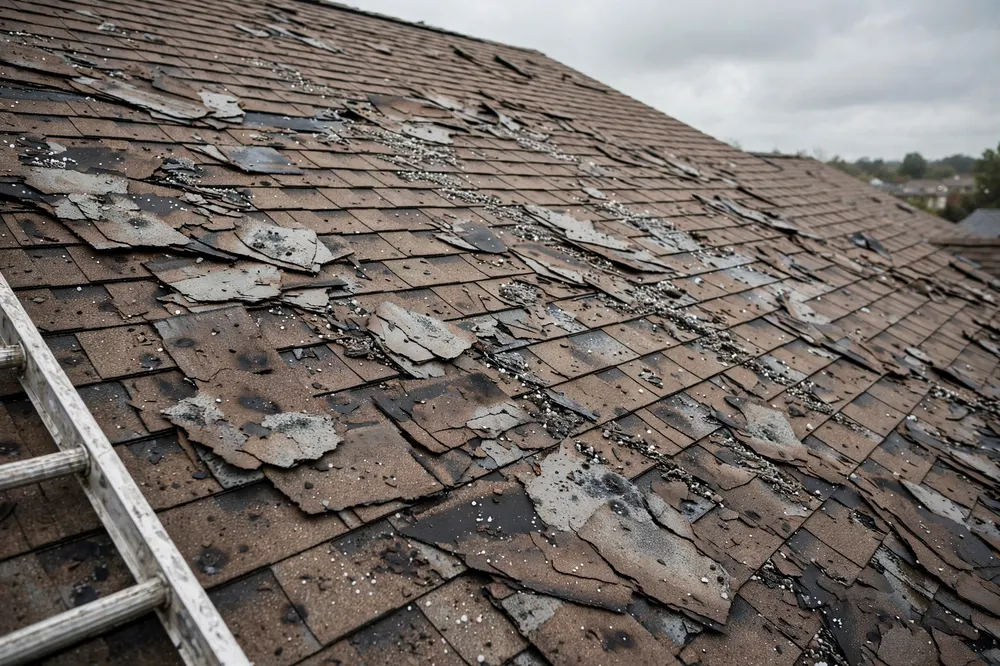
The test is a proxy, not a storm: real hail varies in density, shape and wind, and a Class 4 shingle can still be marked by exceptional stones. But the ranking is honest comparative evidence — Class 4 products demonstrably absorb impacts that fracture standard shingles — and it is the rating insurers and manufacturers both recognise when discounts and claims are discussed.
How Class 4 Shingles Are Built Differently
Manufacturers reach Class 4 two ways, often combined. The mat is reinforced — heavier fiberglass or polymer-backed constructions that flex instead of fracturing. And the asphalt is modified, commonly with rubber-like SBS polymers, so the shingle behaves less like a cracker and more like a tyre at impact and in cold weather. The granule layer and its adhesion also get attention, because a shingle that survives impact but sheds its surface has only half-won.
The handling differences are real too: Class 4 shingles are stiffer in cold weather, which affects installation timing and cutting, and they carry manufacturer specifications that installers must follow for the rating — and the warranty — to mean anything. A Class 4 roof installed carelessly is a Class 4 receipt on a standard-quality job; the rating buys materials, not workmanship.
The Insurance Discount Question
Many insurers discount premiums for Class 4 roofs, because their claims data says the roofs file less. The size of the discount, its conditions — documentation of the product installed, sometimes the full roof rather than one slope — and whether your insurer offers it at all are all company-specific. The only reliable answer is a two-minute call to your insurer before the material is chosen, ideally with the product name in hand. Ask, too, whether accepting a discount changes any cosmetic-damage terms.
Run the whole-life arithmetic while you are at it. The Class 4 uplift on a replacement quote, divided by the roof's expected life and set against the annual discount plus one avoided future claim's deductible, is the honest comparison. For many Colorado homeowners the numbers land in Class 4's favour; for a roof likely to be replaced again soon for other reasons, they may not. It is your arithmetic — a good pro will do it with you, both ways.
Not Sure What Your Gutters Need?
One free call connects you with a local pro who can look at the whole roof edge — gutters, flashing and shingles — and tell you honestly what is worth fixing.
📞 Call (800) 555-0100Free Call · Answered 24/7 · Local Pros Near You
What Class 4 Does Not Do
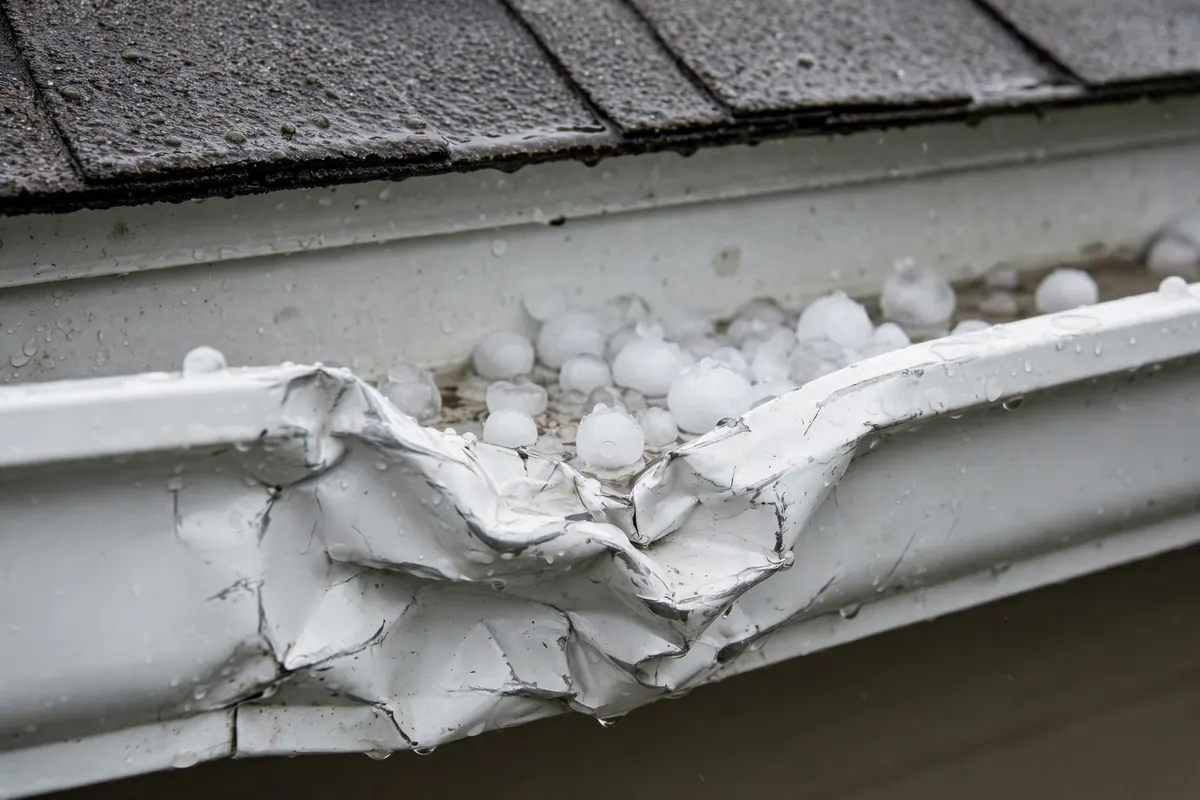
Class 4 is not hail-proof. Colorado's record includes stones above 4 and 5 inches; at that size everything on a roof is tested, and even Class 4 shingles can be bruised or broken by the largest, densest, wind-driven hail. Soft metals, vents and gutters still dent at a fraction of that size, so the post-storm inspection habit survives the upgrade — the roof still needs its documentation after serious storms, for the claim and for the record.
Nor does Class 4 rescue bad installation or old decking: it is a covering, installed on the same prepared deck, with the same flashing and ventilation requirements as any quality roof. Think of it as armour thickness, not invincibility — in the state with America's most large hail, thicker armour is simply a rational default, bought with open eyes.
Class 4 In The Replacement Decision
The natural moment to choose Class 4 is a claim-funded replacement: the insurer's scope prices the like-for-like roof, and the owner pays the upgrade difference between standard architectural and Class 4 product. That framing keeps the claim clean and the upgrade optional and transparent. Some owners extend it — Class 4 on the whole roof even where only slopes were damaged — which is also the configuration some insurers require for the premium discount.
Get both specifications on the same written quote: product names, the UL 2218 class, underlayment and membrane details unchanged between them, so the only variable is the shingle itself. And keep the product documentation — packaging labels, invoices — in the roof file; the discount, a future claim and a future buyer all have reason to ask what exactly is up there.
Metal, Tile And The Other Answers
Impact-resistant shingles are one of several Colorado answers to hail. Standing seam metal trades puncture-resistance for visible denting and cosmetic-claim arguments. Concrete tile resists small hail and breaks under large. Standard architectural shingles remain the value baseline, replaced more often but understood perfectly by every insurer. The honest comparison is per-house: pitch, budget, how long you will own it, and your insurer's stance on each material.
What the state's storm record rules out is indifference. Forty-plus Colorado counties log serious hail year after year — a roof here is specified against a known opponent. Class 4 asphalt earns its popularity by answering that opponent inside the familiar asphalt system: same installers, same claim language, tougher hide.
The UL 2218 impact rating is the laboratory test behind the Class 1-to-4 scale, earned by surviving steel-ball drops without cracking. Granules are the roof's sunscreen; once hail knocks them loose in quantity, the asphalt beneath ages in fast-forward. The insurance adjuster who climbs your roof works from the same test squares and photos, which is why meeting them with documentation ready matters.
Hail Damage Roof Help In Your City
Every topic in this guide lands on a real roof somewhere — city pages with their own hail records, housing data and local pros:
Impact Resistant Shingles — Questions Homeowners Ask
Ratings, discounts and limits — the Class 4 questions, answered straight.
Still Have Questions? Call Free
A real person answers 24/7 and connects you with a local pro who can check your roof.
📞 (800) 555-0100Reviewed By Hamza
Lead Roofing & Storm Restoration Specialist
Hamza is an exterior restoration specialist with deep expertise in hail damage assessment, storm-related leak diagnostics, and impact-resistant roofing installations across high-altitude and severe-weather climates. He works directly with homeowners to identify hidden structural bruising and ensure long-lasting, code-compliant roof repairs.
Updated October 26, 2026
Guides From The Blog
The context: why Colorado roofs fail, and what a full replacement involves.
Re-Roofing After Hail?
Ask for the Class 4 price on the same written quote as the standard shingle — one free call starts the inspection that produces both numbers.
📞 Call (800) 555-0100Free Call · Answered 24/7 · Local Pros Near You