
What Affects The Cost Of Hail Damage Roof Repair?
In This Guide
Quick Answer
Hail damage repair cost is decided by four things: how much of the roof is functionally damaged, what has to be replaced to fix it properly, the roof's size and complexity, and how much of the bill your insurance claim carries. A split boot and a five-slope replacement are both 'hail repair'. This guide lays out the factors in the order a pro prices them, so any quote you receive can be checked against them.
Factor One: How Much Of The Roof Is Functionally Damaged
Every hail repair price starts in the test squares. Hits per slope, and whether the damage is bruising, cracking or both, decide the shape of the job: a handful of cracked shingles and a split boot price as a section repair; functional hits across several slopes price as slope or full replacement. Insurers use the same counts, which is why the inspection — not the sales visit — is where hail repair costs are really set.
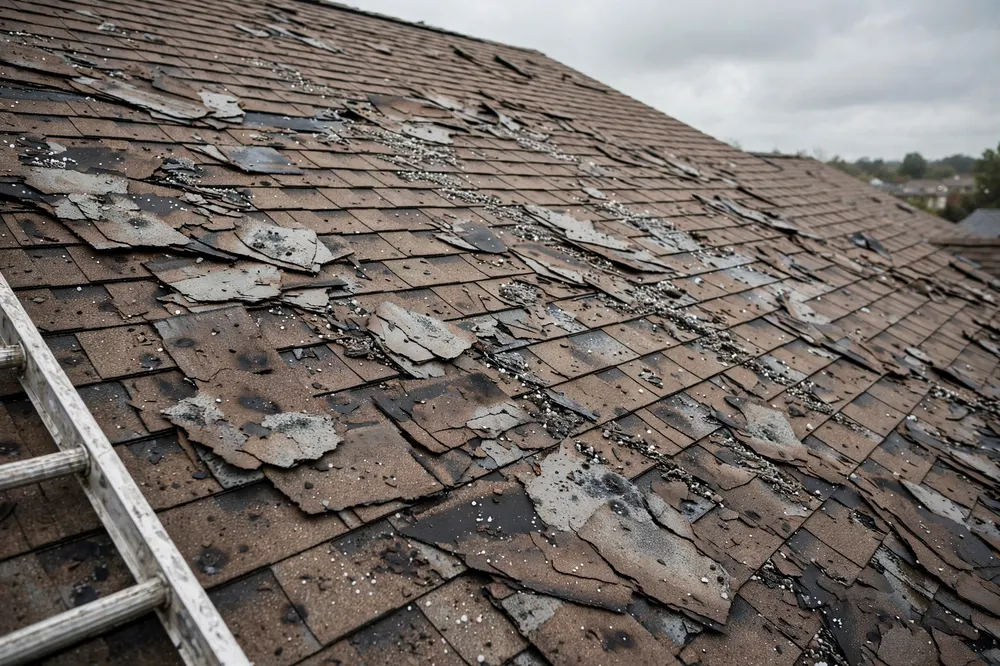
Granule loss is the quiet multiplier. A slope can show modest cracking yet have lost so much of its protective granule layer that patching shingles leaves a roof ageing at double speed. Pros price that honestly as replacement territory; homeowners who patch anyway usually meet the same slope again within a few seasons, at the second visit's prices and outside the claim window.

Factor Two: What The Repair Actually Contains
A 'repair' can mean replacing six shingles, or rebuilding a valley with new metal, underlayment and ice-and-water shield. Boots, flashing, ridge and vents each carry their own parts and labour; woven-in shingle sections cost more per square foot than open-slope work because every shingle is handled twice. Ask any quote to itemise its contents — the list, not the total, is where cheap and honest separate.
Access and pitch ride along inside this factor. Steep, high or cut-up roofs slow every task and add safety time; a simple slope over the garage is the cheapest roofing there is. None of it is padding — but a quote that cannot explain its own arithmetic is a quote to set aside.
Factor Three: Repair Versus Replacement Economics
Past a certain density of damage, repairing costs more than replacing — not in this month's invoice, but across the roof's remaining life. Repeated section repairs on a peppered slope, each with its own call-out, approach replacement cost while leaving an ageing roof. Insurers know the same maths, which is why widespread functional damage scopes as replacement in the claim. The test-square counts are the referee both sides accept.
Age settles close calls. Repairing a five-year-old roof restores most of its life; repairing a seventeen-year-old roof restores little, and the claim — if the window is still open — may never be worth more than it is today. This is the conversation a good pro has with you in numbers: counts, ages, and what each option buys in years.
Not Sure What Your Gutters Need?
One free call connects you with a local pro who can look at the whole roof edge — gutters, flashing and shingles — and tell you honestly what is worth fixing.
📞 Call (800) 555-0100Free Call · Answered 24/7 · Local Pros Near You
Factor Four: The Insurance Split
For most Colorado homeowners the real question is not the job's price but their share of it. Inside a claim, your share is the deductible — frequently a percentage of the home's insured value under a percentage wind/hail deductible, not a slice of the repair bill. RCV policies add a second stage: the depreciation holdback, released when the work is done and documented. ACV policies can leave a gap between payment and price that the homeowner funds.
Supplements are the correction mechanism: where the adjuster's first scope misses documented damage, the pro files the counts and photographs and the scope — and the price the insurer recognises — moves. A repair quote and a claim scope are two views of the same roof; the professional job is making them agree on the evidence, not on the optimism.
The Colorado Constants: Deductibles And SB38
Two state facts shape every hail bill. First, the deductible is legally yours: SB38 makes it a violation for any contractor to pay, waive or rebate it, and contracts must state the arrangement. Any quote whose magic comes from erasing the deductible is not cheaper — it is non-compliant, and it can take your claim down with it. Second, permits and county inspections are part of real replacement work in Colorado, priced in legitimate quotes.
The third constant is timing. Storm-season demand raises everyone's queue, and work priced and booked early in the claim window is work done before the next season's hail lands on the same damage. Cost factors include the calendar: the same repair, claimed late, can slide outside the filing window and become entirely the owner's bill.
Getting A Number You Can Trust
The trustworthy sequence is short: inspection with counts and photographs; written quote itemising contents; claim filed with the same evidence; scope agreed; work done and documented. Any number offered before the first step is theatre. Through this page the inspection is free, so the number that matters — your roof's, itemised — costs a phone call and an hour, and commits you to nothing.
Compare two quotes by their contents lists, their decking and flashing treatment, their warranty terms and their deductible language. The cheapest hail repair is the one done once, inside the claim, on a scope the evidence supports. Everything else is a down payment on doing it again.
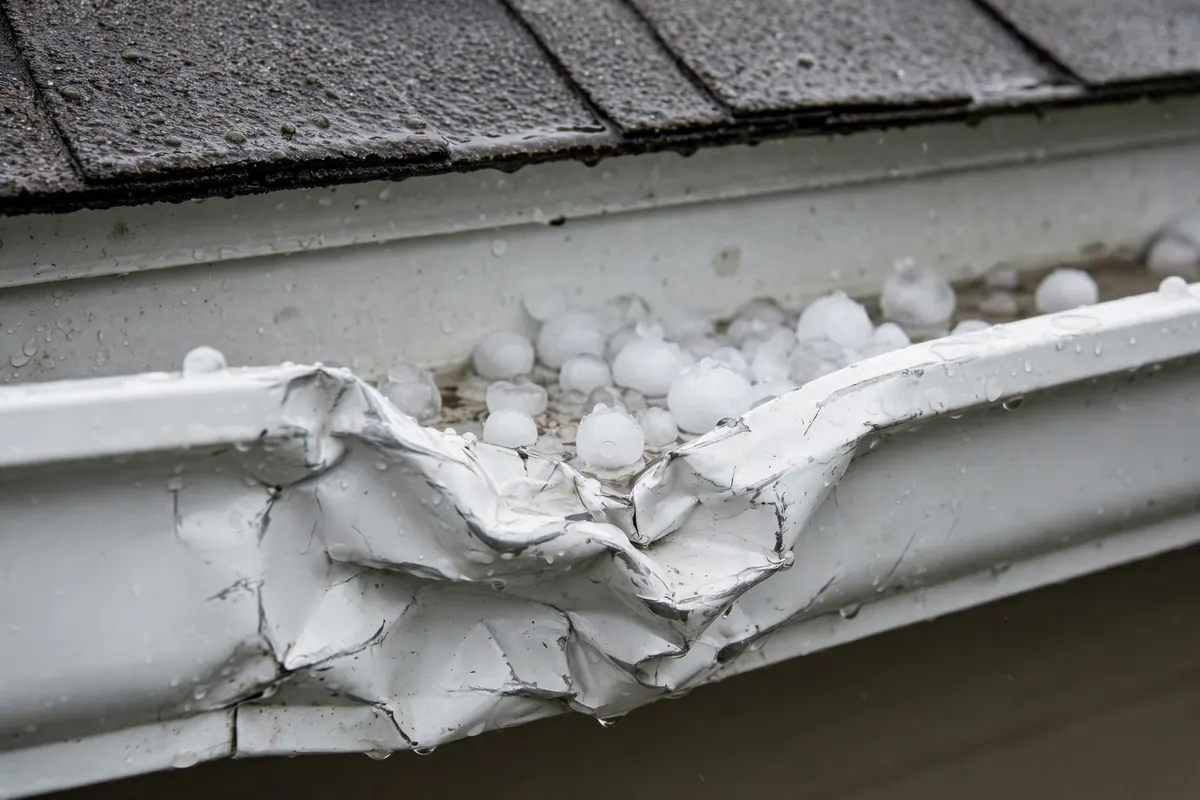
Granules are the roof's sunscreen; once hail knocks them loose in quantity, the asphalt beneath ages in fast-forward. A pipe boot's rubber seal cracks with age and UV, hail speeds the cracking, and a split boot is a classic slow leak that stains ceilings months later. Colorado SB38 is the state consumer-protection law for roofing work: written contracts, honest deductible handling and no pressure tactics after a storm. The insurance adjuster who climbs your roof works from the same test squares and photos, which is why meeting them with documentation ready matters.
Hail Damage Roof Help In Your City
Every topic in this guide lands on a real roof somewhere — city pages with their own hail records, housing data and local pros:
Hail Damage Repair Cost — Questions Homeowners Ask
What hail repair costs, and why the answer is always 'it depends' — itemised.
Still Have Questions? Call Free
A real person answers 24/7 and connects you with a local pro who can check your roof.
📞 (800) 555-0100Reviewed By Hamza
Lead Roofing & Storm Restoration Specialist
Hamza is an exterior restoration specialist with deep expertise in hail damage assessment, storm-related leak diagnostics, and impact-resistant roofing installations across high-altitude and severe-weather climates. He works directly with homeowners to identify hidden structural bruising and ensure long-lasting, code-compliant roof repairs.
Updated October 26, 2026
Guides From The Blog
The two documents that decide most hail bills: the inspection scope and the claim.
Want The Real Number For Your Roof?
It comes from a count, not a guess: one free call books the inspection, and the written quote that follows prices your roof, not an average one.
📞 Call (800) 555-0100Free Call · Answered 24/7 · Local Pros Near You