
Filing A Hail Damage Insurance Claim In Colorado: Step By Step
In This Guide
Quick Answer
A Colorado hail claim succeeds on three things: a storm date the NOAA record confirms, damage documented with test-square counts and photographs, and a filing inside your policy's window. The deductible is yours to pay — by law, no contractor can pay it for you. This guide walks the claim from first call to final payment, including RCV versus ACV, the adjuster meeting and the supplement when the first scope falls short.
Before You Call: The File Comes First
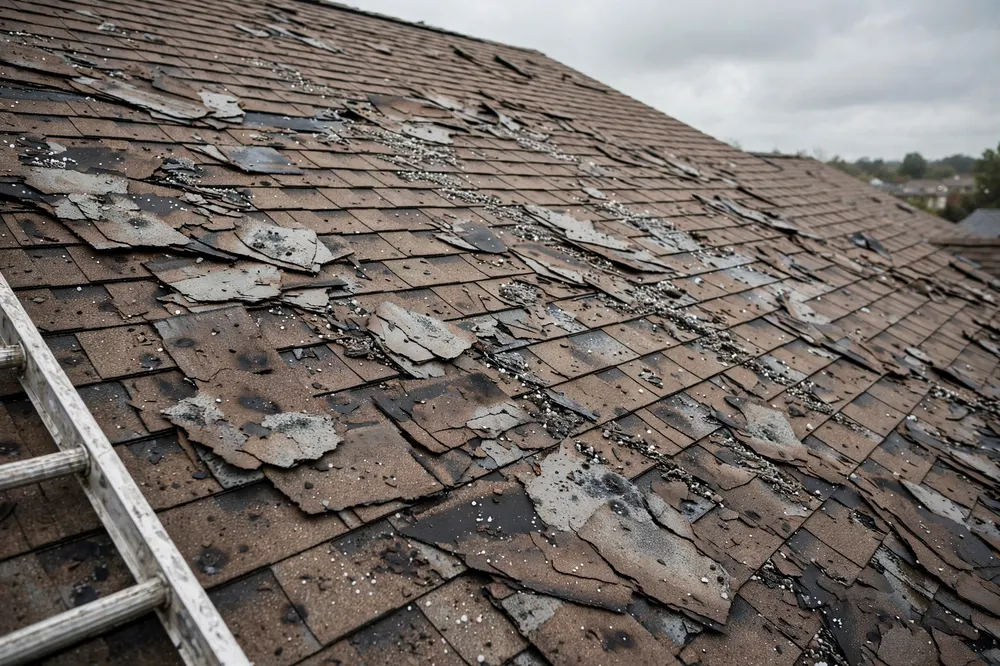
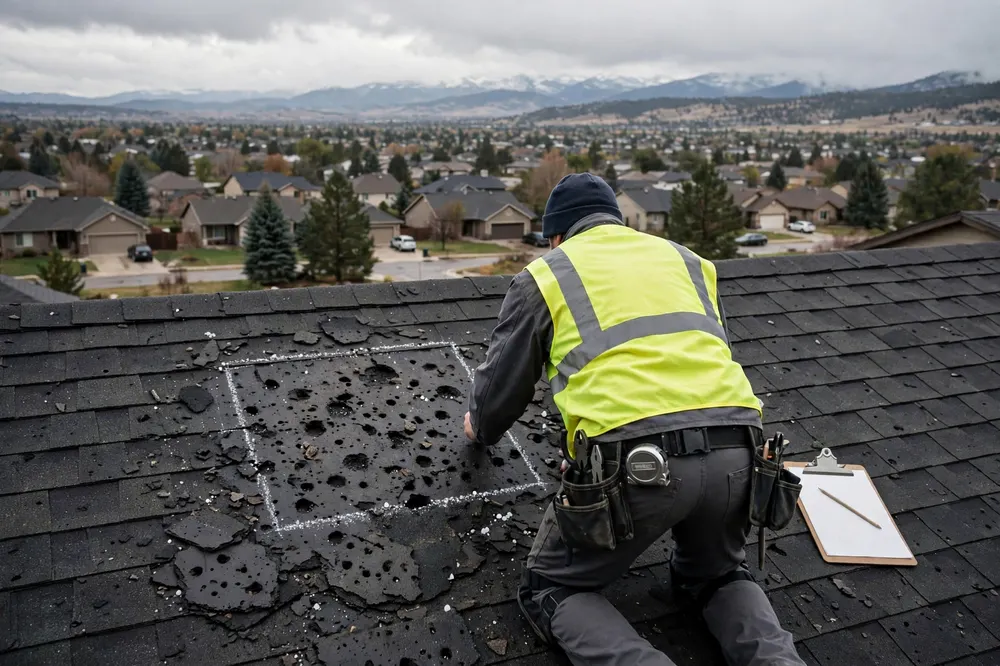
The strongest first move is not the phone call to the insurer — it is the inspection that precedes it. A documented file (test-square counts per slope, photographs, a storm date drawn from the NOAA record for your county) turns the claim's opening conversation from a report into a submission. Insurers process evidence; homeowners who file first and document later spend the claim catching up to their own adjuster's timetable instead of setting it.
Gather the policy facts at the same time: your deductible's form (flat or a percentage of the dwelling value — many Colorado hail policies use the percentage kind), whether the policy pays RCV or ACV on the roof, and the filing window's length. Those three facts determine the claim's economics before a single shingle is counted, and all three sit in your declarations page.

Opening The Claim And The Adjuster Visit
Opening the claim assigns a claim number and an adjuster, who will verify two things: that a storm occurred on the date claimed (they check the same NOAA record your file cites) and that your roof's damage matches it. Their inspection mirrors yours — squares, metals, attic — which is why proper documentation predicts outcomes so well. Ask for your pro to attend the adjuster's visit; scopes agreed on the roof, chalk in hand, rarely need correcting later.
The adjuster's product is the scope of loss: the itemised statement of what the insurer will pay to repair or replace. Read it against your inspection file line by line. Gaps between the two documents are normal — the supplement exists for them — but they should be gaps of judgement on specific items, not whole slopes missing.
RCV, ACV And The Two Cheques
Under an RCV (replacement cost value) policy, payment comes in stages: an initial cheque reflecting the depreciated value, and the balance — the depreciation holdback — released when the work is completed and documented. Under ACV (actual cash value), the first figure is the whole settlement: the roof's worth today, aged and depreciated, which on an older roof can sit well below the replacement price. Knowing which policy you hold, before the scope arrives, is the difference between planning and surprise.
Either way, the deductible comes off the top, and in Colorado it comes from you: SB38 forbids any contractor from paying, waiving or rebating it, and the roofing contract must state the arrangement. A claim whose economics depend on someone quietly absorbing your deductible is a claim built on a violation — walk away from the builder, not the claim.
Not Sure What Your Gutters Need?
One free call connects you with a local pro who can look at the whole roof edge — gutters, flashing and shingles — and tell you honestly what is worth fixing.
📞 Call (800) 555-0100Free Call · Answered 24/7 · Local Pros Near You
Supplements: Correcting The First Scope
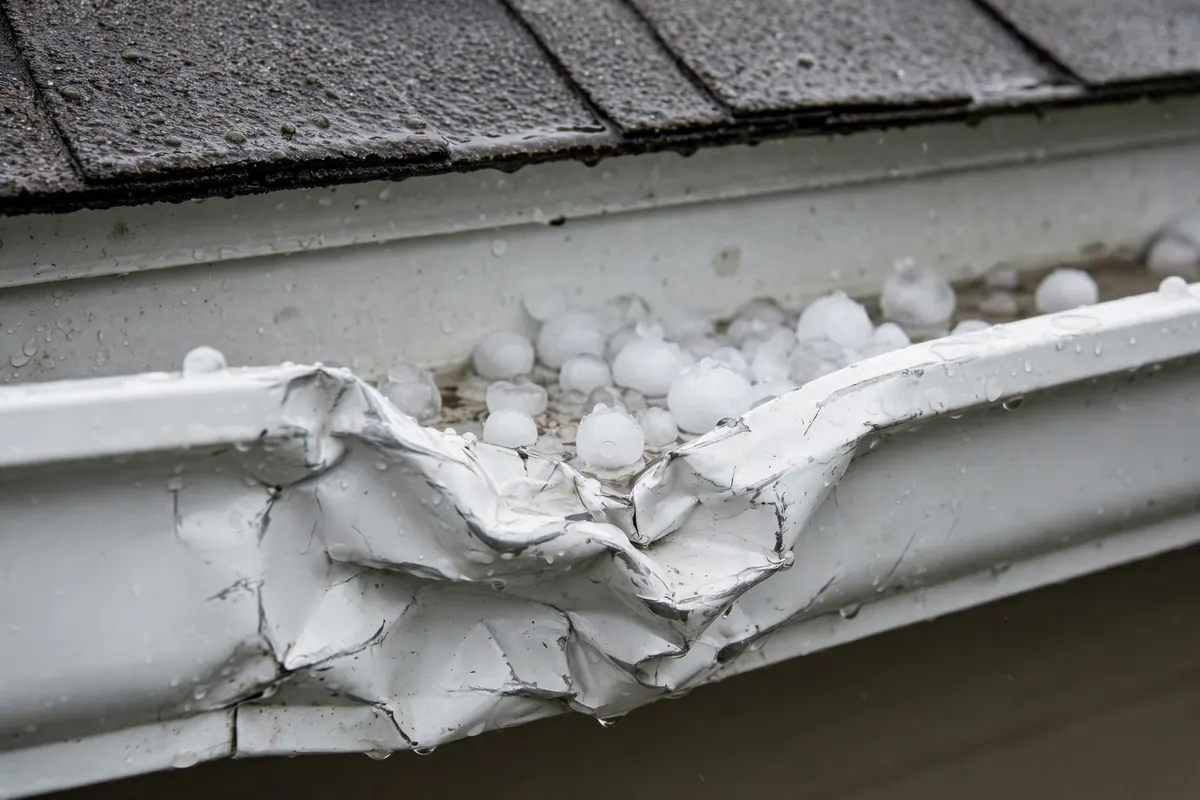
A supplement is the claim's correction mechanism: documented items the first scope missed — a slope's counts, creased flashing, a valley's damage, decking found soft at tear-off — submitted with photographs for the adjuster's review. Supplements are routine in Colorado hail work, not adversarial manoeuvres; adjusters expect them, and well-evidenced ones usually succeed in whole or part. The discipline is specificity: this slope, these squares, these photographs.
Timing matters in both directions. File supplements as the evidence appears — including mid-job discoveries, photographed the moment the roof is opened — and keep the whole correspondence in the storm folder. The claim is not closed until the work is done, the holdback released and the file complete; treating it as a process with stages, rather than a single verdict, is how homeowners end up paid in full.
The Contractor's Role — And Its Legal Edges
Your roofer's legitimate claim role is evidence and execution: inspect, document, meet the adjuster, price the approved scope, do the work, document completion, and file supplements for what the scope missed. What a contractor may not do in Colorado is equally specific: pay your deductible (SB38), guarantee a claim's outcome, or act as your public adjuster — negotiating the claim on your behalf for a fee is a public adjuster's work, different from a roofer presenting their own scope and evidence.
Contracts deserve the same clarity: the scope itemised, materials named, deductible responsibility stated as the law requires, and cancellation rights respected. A contractor who is casual about the legal edges of the claim will be casual about the flashing. Choose the one whose paperwork is as careful as their ladder work.
Closing The Claim: Holdbacks, Warranties, Records
Completion triggers the final stage: the contractor's invoice and photographs of the finished work go to the insurer, the depreciation holdback is released under RCV, and the claim closes. Verify the final accounting against the scope — every line either done or explained — and file the whole bundle: policy documents, scopes, supplements, contracts, invoices, permits and warranties, in the storm folder, permanently.
That folder then does quiet work for years: it answers the next buyer's inspector, dates the roof for the next claim, and proves the new roof's age and specification for the premium conversation — including any Class 4 discount. A hail claim handled as a file from day one ends as an asset. Handled as a scramble, it ends as a story. The difference is entirely in the first 48 hours' habits.
The insurance adjuster who climbs your roof works from the same test squares and photos, which is why meeting them with documentation ready matters. Colorado SB38 is the state consumer-protection law for roofing work: written contracts, honest deductible handling and no pressure tactics after a storm.
Hail Damage Roof Help In Your City
Every topic in this guide lands on a real roof somewhere — city pages with their own hail records, housing data and local pros:
Roof Insurance Claim Help — Questions Homeowners Ask
The claim, end to end, in the order it actually happens.
Still Have Questions? Call Free
A real person answers 24/7 and connects you with a local pro who can check your roof.
📞 (800) 555-0100Reviewed By Hamza
Lead Roofing & Storm Restoration Specialist
Hamza is an exterior restoration specialist with deep expertise in hail damage assessment, storm-related leak diagnostics, and impact-resistant roofing installations across high-altitude and severe-weather climates. He works directly with homeowners to identify hidden structural bruising and ensure long-lasting, code-compliant roof repairs.
Updated October 26, 2026
Guides From The Blog
Go deeper on the claim's three hardest parts: the deadline, the deductible, and the adjuster.
Start The Claim With The Evidence Ready
One free call books the inspection that produces your claim file — counts, photographs and a storm date matched to the NOAA record.
📞 Call (800) 555-0100Free Call · Answered 24/7 · Local Pros Near You