
How Long Do You Have To File A Hail Claim In Colorado?
In This Guide
Quick Answer
Every Colorado hail claim runs on a deadline set by your policy — commonly one to two years from the storm date, sometimes less — and the date that counts is the storm's, not the day you noticed the damage. Miss it, and a replacement the insurer would have funded becomes your bill. This guide explains how the window works, how storm dates are proved from the NOAA record, and what to do when you find damage late.
The Window: Your Policy's Clock
Insurance policies do not leave claim timing open-ended. The contract sets a period — expressed as a duty to report promptly and, in most Colorado homeowners policies, a hard window commonly of one to two years from the date of loss for hail — within which the claim must be opened and, in some wordings, the work completed or the suit rights preserved. The wording is your policy's, not folklore's: the same street can hold three different deadlines under three different insurers.
Two features make the window treacherous. It runs from the storm date, not from discovery. And hail damage is famously discovered late — months later, at a stain, a sale or a spring inspection — because it rarely leaks at first. The mismatch between the damage's quiet behaviour and the policy's arithmetic clock is where unfiled fortunes are lost.
Proving The Storm Date: The NOAA Record
The saving grace is that Colorado hail is a matter of public record. The NOAA Storm Events Database logs hail by county, date and stone size, and insurers consult the same database. An inspection that ties your roof's damage pattern to a recorded storm — supported by the soft metals and the damage's freshness — builds a claim on a date the insurer can verify in their own system. Your own photographs, dated at the time, complete the proof chain.
Counties differ in record granularity: metro counties are densely reported; rural storms can be under-recorded, which is where an experienced local inspector's evidence (and your dated photos of stones beside a coin) carry extra weight. The principle never changes: a claim is a date plus damage, and both halves are provable when the file is built promptly.
Late Discovery: The Common Case
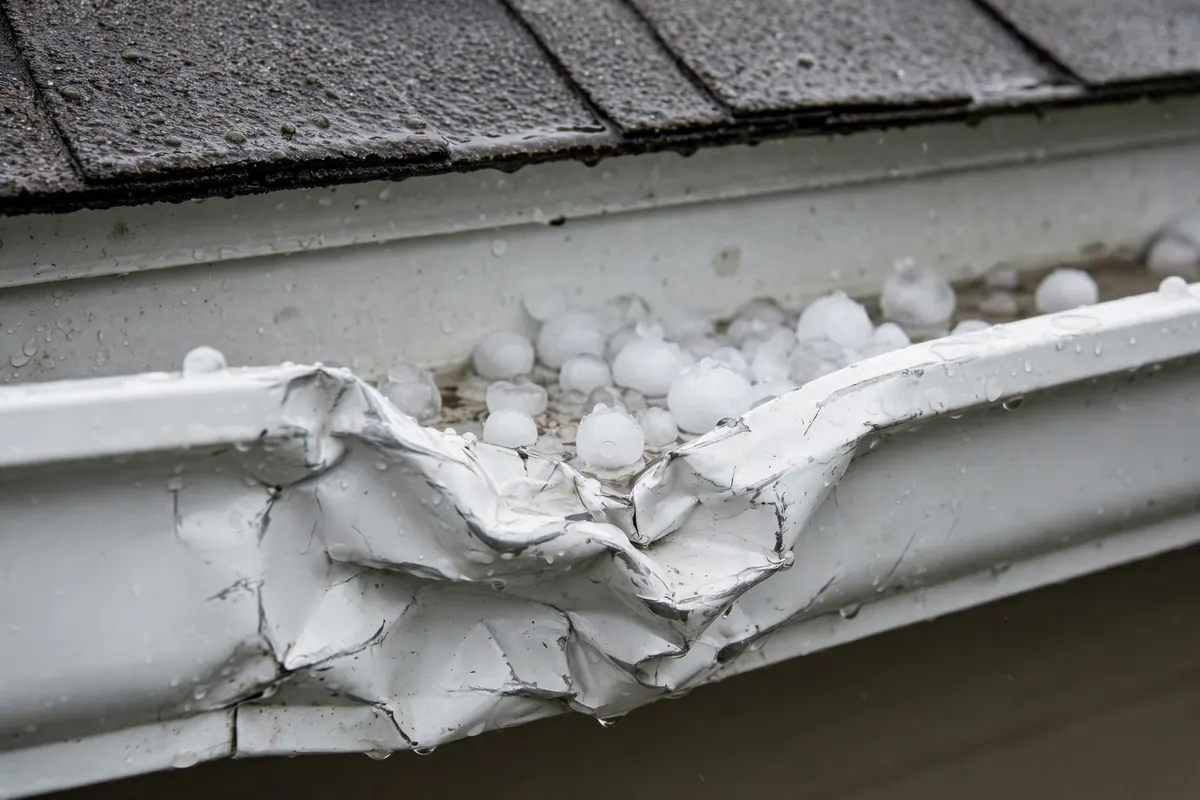
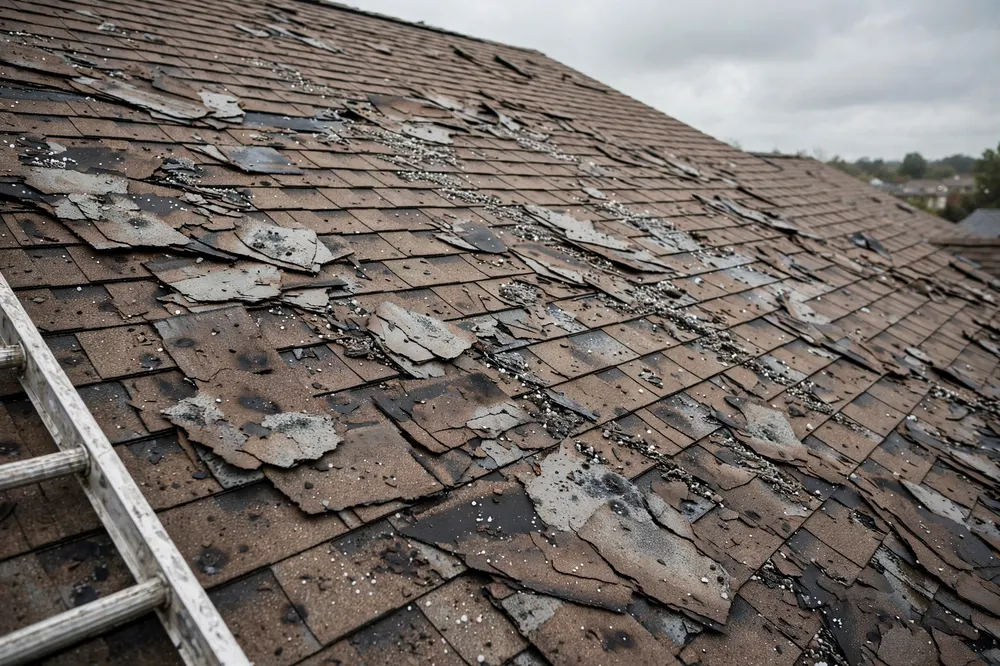
Most hail damage in Colorado is found late, and the system knows it: that is why filing windows are measured in seasons rather than weeks. The practical question for the late discoverer is which storm the damage belongs to — a roof may carry two storms' marks, and attributing the functional damage to a storm inside the window is legitimate, evidence-based work when the patterns support it. An inspection that can separate this spring's bright fractures from older weathered ones is worth more in month eleven than any argument.
What cannot be done is manufacturing a date. Filing damage under a storm it did not come from is misrepresentation regardless of who suggests it. The honest version is strong enough: real storms are frequent in this state, records are public, and genuine late discovery inside the window is the normal Colorado experience, not an edge case.
Not Sure What Your Gutters Need?
One free call connects you with a local pro who can look at the whole roof edge — gutters, flashing and shingles — and tell you honestly what is worth fixing.
📞 Call (800) 555-0100Free Call · Answered 24/7 · Local Pros Near You
The Second Deadline: Completion And Holdbacks
Filing in time is only the first clock. Under RCV policies, the depreciation holdback is typically recoverable only if the work is completed and documented within a period the policy sets — commonly a year or two from the loss or the claim. Owners who file promptly and then let the build drift can strand the second half of their settlement as surely as late filers strand the first. The claim is therefore a project with two deadlines, and both belong on the calendar the day the claim opens.
Contractor scheduling sits inside this arithmetic: storm-season backlogs are real, and the time to book the build is when the scope lands, not when the holdback's deadline looms. A roofer who asks about your policy's completion terms is a roofer who has watched a holdback expire; take the hint and write the date on the storm folder's cover.
What Expires With The Window
When the filing window closes on a storm, that storm's damage becomes the owner's private expense — the same roof, the same counts, a different payer. The loss is usually invisible until the roof needs its replacement anyway, years later, when the owner funds in full what a timely claim would have carried. There is no appeal built on 'I didn't know'; the window is in the contract the owner holds. Prevention is correspondingly dull: one declarations-page read, one calendar entry, one post-storm inspection habit.
Note, too, what a closed window does to a later storm's claim: the new claim covers the new damage, and the old unfiled damage becomes the argument in the middle — was this slope already gone before the new storm? A filed, documented history is what keeps each storm's account cleanly separated. The file is not bureaucracy; it is the border fence between claims.
The Calendar Discipline That Prevents All Of This
Three habits neutralise the deadline entirely. First, read the window (and the deductible and the valuation) once, in calm weather, and write them on the roof file. Second, inspect after every real storm — free through matching — so damage is dated while dating is easy. Third, when a claim opens, calendar its completion deadline the same day, and book the build against it. None of this requires roofing knowledge; it requires treating the roof as the valuable asset it is.
Colorado will keep providing storms on schedule. The homeowners who lose money to deadlines are rarely the careless — they are the ones whose damage hid quietly past a date nobody wrote down. Write the dates down.
The insurance adjuster who climbs your roof works from the same test squares and photos, which is why meeting them with documentation ready matters. A test square, the chalked 10-by-10-foot area marked on each slope, is how hits are counted the same way on every roof and every claim. Colorado SB38 is the state consumer-protection law for roofing work: written contracts, honest deductible handling and no pressure tactics after a storm. The scope of loss is the insurer's line-by-line statement of what they agree is damaged — the document every repair quote is measured against.
Hail Damage Roof Help In Your City
Every topic in this guide lands on a real roof somewhere — city pages with their own hail records, housing data and local pros:
Hail Claim Filing Deadlines — Questions Homeowners Ask
Windows, storm dates and late discoveries — the deadline questions.
Still Have Questions? Call Free
A real person answers 24/7 and connects you with a local pro who can check your roof.
📞 (800) 555-0100Reviewed By Hamza
Lead Roofing & Storm Restoration Specialist
Hamza is an exterior restoration specialist with deep expertise in hail damage assessment, storm-related leak diagnostics, and impact-resistant roofing installations across high-altitude and severe-weather climates. He works directly with homeowners to identify hidden structural bruising and ensure long-lasting, code-compliant roof repairs.
Updated October 26, 2026
Guides From The Blog
The deadline's partners: the claim it governs, and the meeting that follows filing.
Think You Might Be Late Already?
Do not assume — get the roof inspected now. The report dates the damage to its storm, and that date decides whether the window is open.
📞 Call (800) 555-0100Free Call · Answered 24/7 · Local Pros Near You