
Roof Claim Supplements: Why First Estimates Miss Items
In This Guide
Quick Answer
A supplement is the documented correction to an insurance scope: damage the adjuster's first scope missed — a slope's counts, creased flashing, soft decking found at tear-off — submitted with photographs for review and added to the claim when the evidence supports it. Supplements are routine in Colorado hail work, not an argument. This guide explains what belongs in one, when they arise, and how good supplements are built.
What A Supplement Is (And Is Not)
When the adjuster's scope of loss omits damage that belongs to the claim, the contractor submits a supplement: an itemised addition, evidenced with photographs and counts, priced in the same estimating language as the original scope. The adjuster reviews it — sometimes at a desk, sometimes with a re-inspection — and approves it in whole, in part, or not at all. That is the whole mechanism. It is not a complaint, a negotiation tactic or a sign the claim has gone wrong; it is the claim's designed second pass, used on a large share of Colorado hail claims.
What a supplement is not: a vehicle for items the storm did not cause. Supplements live on credibility, and roofers who file disciplined, evidence-only supplements get them processed on their merits. The homeowner's interest and the honest roofer's interest coincide exactly here: file what the photographs prove, no more, and the system works.
The Three Moments Supplements Arise
First, at the scope's arrival: the inspection file shows a slope's counts, a flashing line or a valley that the scope has missed or under-measured. Second, at a re-inspection: where the original counts are disputed, the joint climb settles what it can and the supplement carries the documented remainder. Third — and most legitimately unavoidable — during the work itself: tear-off exposes what no inspection could see, soft roof decking, hidden moisture damage, an extra layer of shingles doubling disposal. Each is photographed at the moment of discovery, before it is disturbed further.
Notice the discipline common to all three: the evidence is created at the moment the fact is visible, not reconstructed afterward. Supplements assembled from memory in week six persuade nobody; supplements filed with timestamped photographs persuade adjusters whose own guidelines read like your file.
What A Good Supplement Contains
Item by item, in the scope's own grammar: the component and its location ('north slope, valley flashing'), the damage described in inspection language (counts per test square, crease photographs with scale), the quantity claimed, and the price basis. Photographs do the persuading — wide shots locating the item on the roof, close shots proving the damage, and, for in-progress discoveries, the opened work before and as found. The claim number and the original scope reference head the document, because supplements are processed by people handling thousands of files.
A good supplement is also short where it can be. Ten evidenced items filed cleanly will out-perform forty items filed hopefully, because the adjuster's trust, once spent on padded items, taxes the genuine ones stapled behind them. Your roofer's judgement about what to include is a professional asset; the correct pressure from a homeowner is for completeness of the genuine, not volume of the arguable.
Not Sure What Your Gutters Need?
One free call connects you with a local pro who can look at the whole roof edge — gutters, flashing and shingles — and tell you honestly what is worth fixing.
📞 Call (800) 555-0100Free Call · Answered 24/7 · Local Pros Near You
Decking And The In-Progress Supplement
The tear-off supplement deserves its own section because it is the one homeowners fear ('the price went up during the job') and the one with the most legitimate physics behind it. No inspection can certify the deck under an intact covering. When the old roof comes off and boards prove soft, rotted or delaminated, replacing them is not optional — new coverings cannot be warranted over failed wood — and where the rot traces to the storm's water path, it belongs to the claim as a supplement, photographed before replacement.
Protect yourself structurally: the original quote should price decking by the sheet or board in advance, so the supplement's quantities are the only variable, and the contractor should pause for photographs — and, on large findings, for the adjuster's awareness — before the new covering hides the evidence. A job that 'found rot' but kept no photographs has spent your supplement for you.
What Happens After Filing
The adjuster reviews the supplement against the claim file. Outcomes are approval in full, partial approval (some items evidenced to their satisfaction, others not), a re-inspection to view items firsthand, or denial with reasons. Partial approvals are the statistical norm and are usually a fair reading of a mixed file. Approved supplement amounts flow into the claim's payments under the same valuation mechanics — depreciation, holdback staging under RCV, the single deductible already accounted.
Timelines stretch in storm surges; a supplement does not usually stop the main work, which proceeds on the approved scope while the supplement is processed in parallel. Keep every supplement and its outcome in the storm folder: the claim's complete accounting — original scope, supplements, payments — is the file's final form, and it is the version a future buyer, auditor or second storm will one day read.
The Homeowner's Role: Insist On The Photograph Rule
You do not write supplements, but you set the standard they are written to — by insisting, from the first contract conversation, that everything claimed is photographed and everything photographed is filed with you. Choose roofers whose inspection habits already run that way and supplements take care of themselves. The supplement process, seen whole, is simply the claim's respect for evidence operating as designed: the first scope is a draft, the photographs are the amendments, and the final scope is the roof's true bill, agreed by both sides.
And if a supplement is denied on items you believe are genuine, the denial is a document with reasons — answerable with better evidence or through the policy's own dispute mechanisms. Most claims never need those. They need what this guide describes: a first file built properly, discoveries photographed as they surface, and corrections filed while the roof is still open to the sky.
The insurance adjuster who climbs your roof works from the same test squares and photos, which is why meeting them with documentation ready matters. The depreciation holdback is the part of an RCV payment the insurer keeps until the work is done and invoiced — recoverable, if you finish and document. Every policy sets a filing window — often a year or two from the storm date — and hail found after it closes is usually the owner's bill.
Hail Damage Roof Help In Your City
Every topic in this guide lands on a real roof somewhere — city pages with their own hail records, housing data and local pros:
Roof Claim Supplements — Questions Homeowners Ask
Supplements — the claim's correction mechanism, explained without mystery.
Still Have Questions? Call Free
A real person answers 24/7 and connects you with a local pro who can check your roof.
📞 (800) 555-0100Reviewed By Hamza
Lead Roofing & Storm Restoration Specialist
Hamza is an exterior restoration specialist with deep expertise in hail damage assessment, storm-related leak diagnostics, and impact-resistant roofing installations across high-altitude and severe-weather climates. He works directly with homeowners to identify hidden structural bruising and ensure long-lasting, code-compliant roof repairs.
Updated October 26, 2026
Guides From The Blog
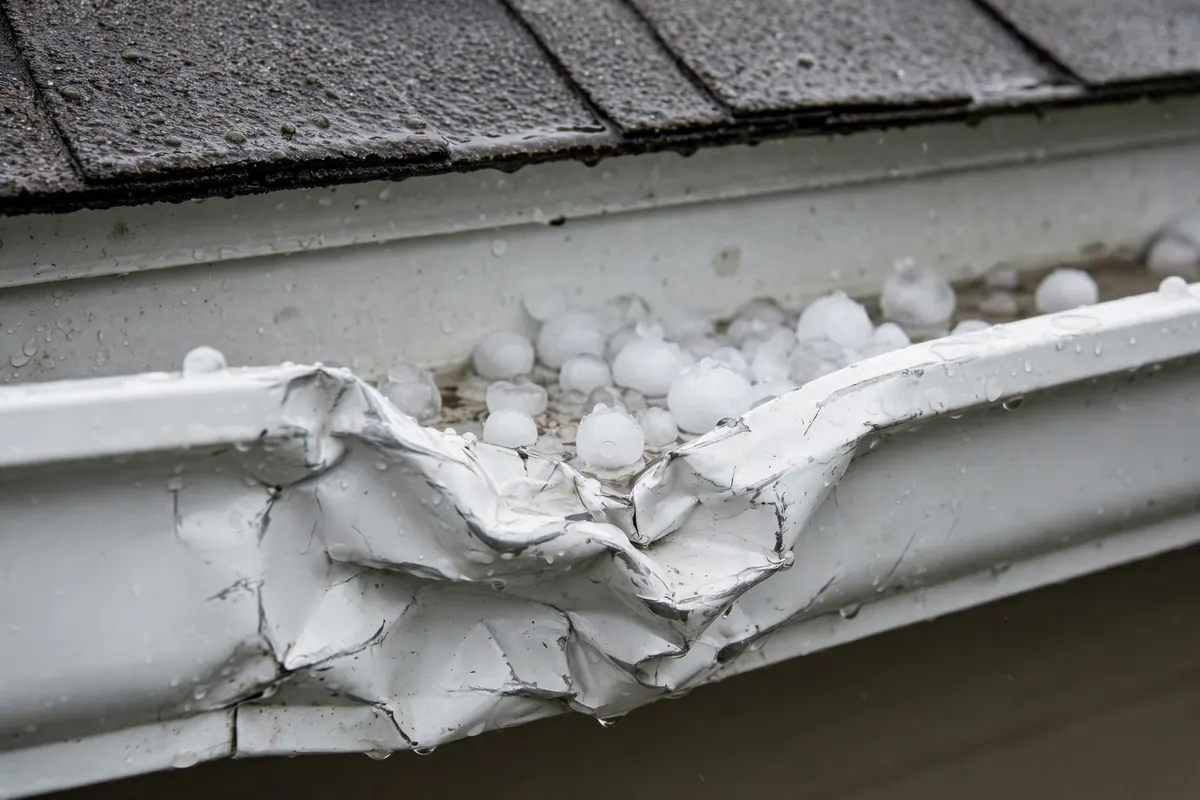
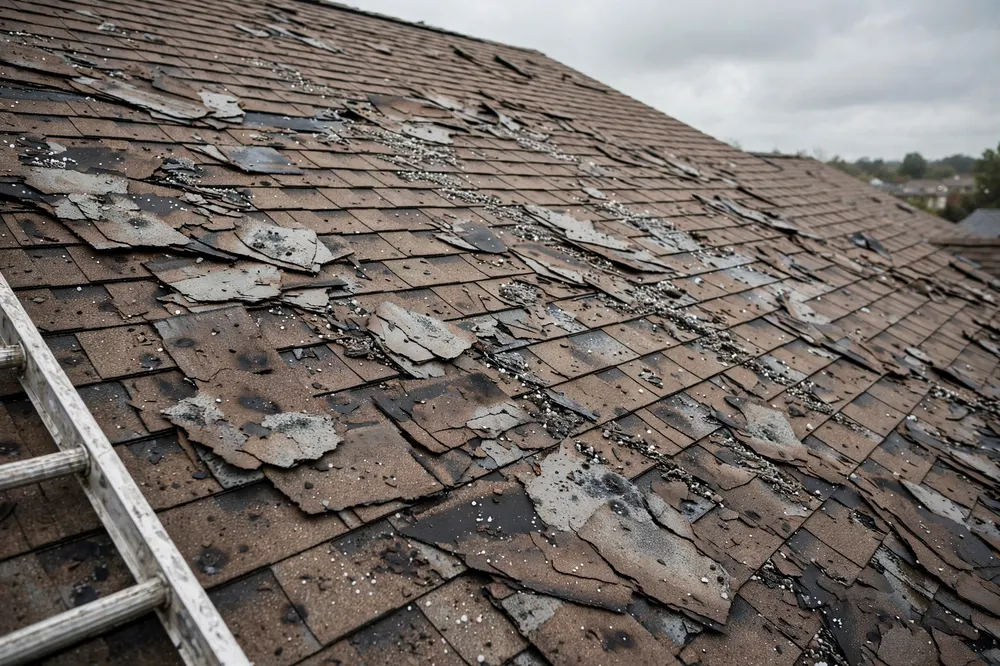
The supplement's before and after: the meeting that wrote the first scope, and the damage found later.
Scope Looking Light?
The remedy is evidence, filed properly. Get the missed damage counted and photographed — one free call starts it.
📞 Call (800) 555-0100Free Call · Answered 24/7 · Local Pros Near You