
Attic Ventilation, Moisture And Ice Dams After A Roof Leak
In This Guide
Quick Answer
After a roof leak, the attic is where the damage continues quietly: wet insulation loses its value and holds moisture against the deck, mould gets its start in the warm dark, and the next leak's evidence mingles with the last one's. Ventilation — balanced soffit-to-ridge airflow — is the attic's drying system and its year-round defence. This guide covers what to do in the attic after a leak, and how to tell if your ventilation was part of the problem.
The Attic In A Leak: What The Water Did
Roof water rarely falls cleanly to a ceiling. It lands on the deck's underside, runs along rafters, soaks insulation from above, pools on the ceiling board, and wicks into joist ends — a distributed wetting across materials that dry at very different speeds. Insulation is the long pole: fiberglass batts hold water and lose most of their insulating value while wet; blown insulation mats and compacts. The visible ceiling stain is usually the smallest part of the attic's water inventory, which is why 'the stain dried out' is not the end of a leak, only the end of its visible phase.
The attic check in a proper post-leak inspection maps the wetting: which bays, which materials, how far it spread from the entry point, and whether it is a first event or this season's repeat over old staining. That map drives the drying plan and — because the leak usually belongs to a claim — the interior scope that accompanies the roof scope.
Drying The Attic: The First Days
Drying is a race against mould's germination window, and it is won with airflow and removal rather than hope. Ventilation — the attic's own system, helped by fans where needed — moves moist air out; wet insulation that cannot dry in place promptly comes out (bagged, photographed for the claim first) so the deck and joists can dry; the ceiling below is opened where water has ponded rather than left to bloom behind paint. The sequence matters: the roof's entry point is sealed or dried-in first, or every drying effort is a bucket bailing a running tap.
Homeowners can do the observation part immediately: note the damp areas, photograph the staining's growth day by day (a pencil line at the stain's edge dates its spread), and keep the attic hatch's traffic minimal. The material decisions — what insulation is salvageable, whether plaster must open — belong to the pro whose report carries them into the claim. Speed here is not panic; it is simply that drying is one of the few processes in roofing where the first 48 hours change the outcome's size.
Mould: The Attic's Deadline
Mould needs moisture, food and a short runway — commonly a day or two in warm, wet, undisturbed conditions — and an attic after a leak provides all three. The defence is not chemicals but dryness: materials dried below the moisture threshold quickly do not grow it; materials left wet in the dark reliably do. This is the practical reason leaks are emergencies of schedule even when they are not emergencies of volume: a bucket under a drip protects the floor, but the insulation above the ceiling is running its own clock.
If a leak has history — the attic smells musty, the deck shows old blackened patches, insulation is stained in strata — the assessment widens: established mould is a remediation question beyond a roofer's scope, and the inspection should say so plainly and document it for the claim. The homeowner's error to avoid is sealing the problem in: repainting a ceiling over a wet attic converts a drying job into a demolition job on a delay.
Not Sure What Your Gutters Need?
One free call connects you with a local pro who can look at the whole roof edge — gutters, flashing and shingles — and tell you honestly what is worth fixing.
📞 Call (800) 555-0100Free Call · Answered 24/7 · Local Pros Near You
Insulation After Water
Wet insulation's fate depends on material and dose. Lightly wetted fiberglass can sometimes dry in place with strong ventilation and remain serviceable; soaked or compacted insulation has lost its loft — and loft is its R-value — and is replaced. Blown cellulose holds water longer and mats; blown fiberglass behaves between the two. The inspection's job is to judge by touch and depth, bay by bay, and to record quantities for the claim's interior scope: insulation removed and replaced is claim documentation like any other line.
While the bays are open, the other attic work queues itself: the deck's underside read for rot at the wettest boards; the entry point's path confirmed from below; bathroom and kitchen exhausts checked for the classic sin of terminating in the attic (a moisture source that mimics and compounds leaks); and the ventilation audit below, done while the attic is already the day's subject.
Was Ventilation Part Of The Problem?
Sometimes the leak is only the messenger. An attic that cannot dry a small wetting is an attic whose ventilation was already failing: soffits blocked by insulation or paint, exhaust undersized or absent, the stack effect strangled. Such attics run hot in summer (baking the shingles from beneath), condense house moisture all winter (wetting the deck from below — a self-inflicted leak), and grow ice dams at the eaves. If your leak's drying seems to take forever, that slowness is itself a finding, and the leak repair that ignores it leaves the attic's next problem already scheduled.
The audit is measurement, not vibes: intake area at the soffits (present, open, baffled clear of insulation), exhaust area at the ridge or vents, balance between them, and the moisture sources inside the house accounted for. Corrections are usually humble — baffles, cleared soffits, an added ridge vent at the next re-roof — and they pay out in deck life, shingle life and winters without dams.
The Ventilation Standard To Hold
Balanced, passive, measured: roughly half the vent area low at the soffits, half high at the ridge, sized to the attic's floor area under the code's ratios, with intake never the starved half. Powered fans are the exception, engineered, never the default patch. Every house exhaust terminates outside. Insulation stays out of the soffit channels via baffles. That paragraph, verified on your house, is the entire technology — and most attics in Colorado fall short of it in at least one line, which is why the audit belongs in every post-leak and pre-replacement inspection alike.
Close the loop in the roof file: the attic's drying record, the insulation quantities, the ventilation findings and corrections — filed with the claim. The attic is the half of the roof nobody sees, and the file is how it gets governed. Next leak, next winter, next buyer: the attic that has a record is the attic whose problems stay small.
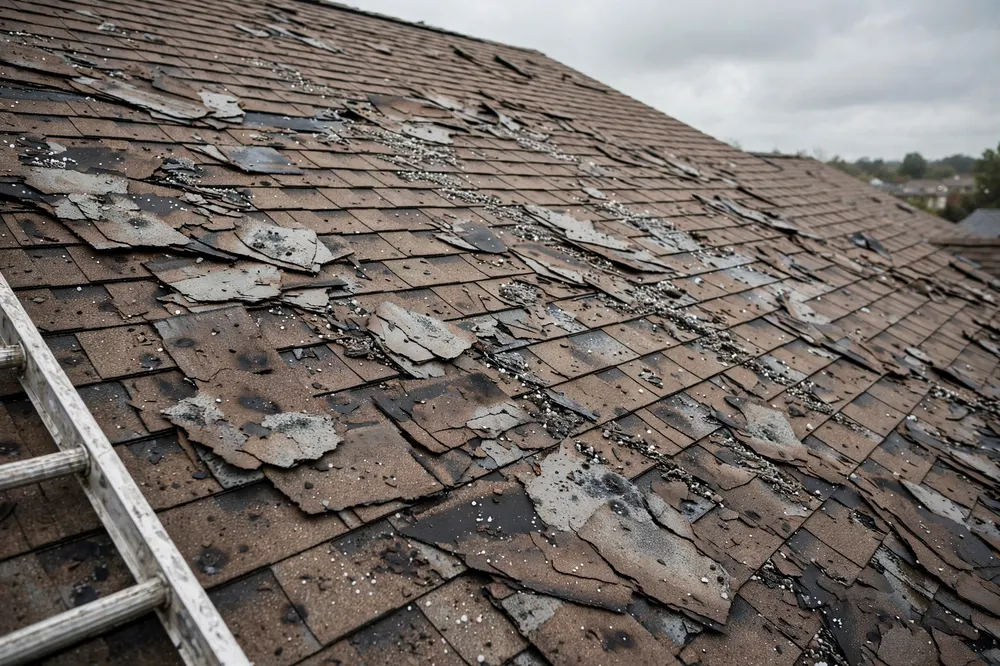
The roof decking under the shingles must be solid before new material goes on; hail-rotted or leak-softened boards are replaced during the tear-off. The insurance adjuster who climbs your roof works from the same test squares and photos, which is why meeting them with documentation ready matters. The freeze-thaw cycle works meltwater into every hail crack all winter, widening small damage a little more each cold night.
Hail Damage Roof Help In Your City
Every topic in this guide lands on a real roof somewhere — city pages with their own hail records, housing data and local pros:
Attic Ventilation After A Leak — Questions Homeowners Ask
Wet attics: drying, mould, insulation and the ventilation audit.
Still Have Questions? Call Free
A real person answers 24/7 and connects you with a local pro who can check your roof.
📞 (800) 555-0100Reviewed By Hamza
Lead Roofing & Storm Restoration Specialist
Hamza is an exterior restoration specialist with deep expertise in hail damage assessment, storm-related leak diagnostics, and impact-resistant roofing installations across high-altitude and severe-weather climates. He works directly with homeowners to identify hidden structural bruising and ensure long-lasting, code-compliant roof repairs.
Updated October 26, 2026
Guides From The Blog
Ventilation's wider family: the metal roof's version, and the ice dam it starves.
Leak's Been In Your Attic?
Get both sides read — roof above, attic below — in one inspection. One free call books it, and the drying advice comes with the report.
📞 Call (800) 555-0100Free Call · Answered 24/7 · Local Pros Near You