
Emergency Roof Tarping: When You Need One And What It Covers
In This Guide
Quick Answer
Emergency tarping is the art of making a damaged roof shed water tonight: the right tarp, fixed with battens into the damaged area rather than nailed through sound shingles, lapped to run water off the roof, and photographed for the claim. A good tarp job lasts weeks; a bad one adds holes to a roof that already had enough. This guide explains how pros tarp, what it costs, and what happens after.
When A Roof Needs A Tarp
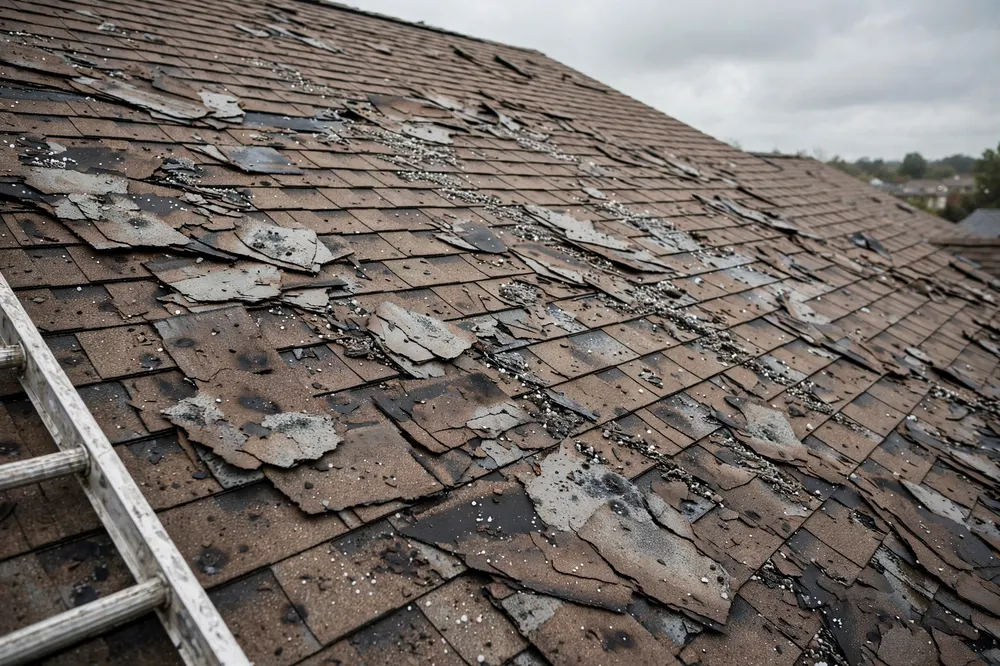
A tarp is for openings: shingles torn or split through, a puncture from debris or a limb, a section of covering gone, flashing ripped so the joint stands open — any place where the next rain has a straight path inside. It is not for bruised slopes or cosmetic damage, which can wait dry-shod for the inspection. The test is simple: can water get in? If yes, the tarp question answers itself, and the hour matters — every storm that crosses an open roof multiplies the interior bill.
Tarping is also the bridge across the claim's timetable. Adjusters, scopes and materials take days to weeks; the weather does not wait for them. A sound dry-in holds the house in its post-storm condition — which is also exactly what your policy's prevent-further-damage clause asks of you — until the permanent repair is ready to start.

How Pros Fix A Tarp (And How Amateurs Ruin Roofs)
The professional method protects the roof from the cure. The tarp is sized with generous overlap past the damage on every side, oriented so its laps shed water downhill, and fixed with timber battens screwed or nailed through the tarp's edges — into the damaged area or the deck within it wherever possible. Sandbags and weights handle low-slope edges without fixings. The rule throughout: no new holes in sound shingles, because every fixing hole in good roof is a leak the homeowner did not have before the emergency crew arrived.
The amateur version — a tarp thrown over the ridge and nailed through whatever it covers, flapping edges, laps facing uphill — fails in the first wind and leaves a perforated slope behind. If a crew starts driving nails through your good shingles, stop them. The difference between the two methods is the difference between a dry-in and a second damage event with an invoice.
Sizing, Materials And The Details That Hold
Pros carry heavy woven polyethylene tarps, not the featherweight blue sheets of the hardware-store bin — the heavy grade resists the wind-whip that shreds light tarps at their eyelets. Size runs well past the damage: over the ridge where the damage nears it, so water cannot run behind the top edge, and past the eaves path so discharge clears the gutter line. Around chimneys and vents the tarp is cut and sealed to the obstruction, not draped over it.
Fixings are checked against the forecast: a tarp expected to ride out a fortnight of Front Range wind gets more battens than one bridging a single night. And the whole installation is photographed — wide shots and fixings close up — because the tarp is part of the claim's evidence chain and part of the permanent crew's briefing about what waits underneath.
Not Sure What Your Gutters Need?
One free call connects you with a local pro who can look at the whole roof edge — gutters, flashing and shingles — and tell you honestly what is worth fixing.
📞 Call (800) 555-0100Free Call · Answered 24/7 · Local Pros Near You
How Long A Tarp Lasts — And Its Limits
A well-fixed heavy tarp in Colorado weather lasts weeks to a few months; it is a bridge, not a repair. Sun degrades the material, wind works the edges, and every week raises the chance of a lifted corner in the night. It needs eyes on it: after every windy spell, a ground-level check that the lines are still straight and the laps still lie flat, and a call-back if a corner has gone — re-securing a dry-in is part of the emergency job, not a new one.
What a tarp cannot do is substitute for the repair inside a claim's lifetime. Roofs have been 'temporarily' tarped into second winters; by then the tarp is confetti and the deck beneath it has been wetting and drying for a year. The dry-in buys the claim time to be processed properly — use the time for exactly that.
What Tarping Costs And Who Pays
Emergency tarping is priced as emergency work: the hour, the access, the size of the damaged area and the roof's pitch all count, and a 2 a.m. call in a storm costs what emergency labour costs anywhere. For storm damage covered by a claim, the dry-in normally sits inside the claim as mitigation — the insurer expects it, the policy effectively requires it, and its invoice, kept with the photographs, is a standard claim document. Your out-of-pocket belongs to the claim as a whole: the deductible, once.
Beware two pricing shapes: the doorstep cash demand before work starts, and the tarp folded silently into a full-repair contract signed under pressure at midnight. The legitimate sequence is a quoted emergency job, an invoice, and a separate, unhurried repair decision in daylight, with the claim file open. Urgency explains speed; it does not excuse paperwork's absence.
After The Tarp: The Permanent Repair
With the house dry, the normal machinery takes over: inspection with counts, claim, scope, and the permanent repair — section rebuild or slope replacement as the evidence says. The tarp comes off as the repair opens the roof, and the crew works from its photographs and the inspection file. If the tarp reveals worse underneath than the first look suggested — soft decking, a wider tear — that is supplement material, photographed at the moment of discovery.
Close the loop inside the house too: the ceilings and insulation that got wet before the tarp are part of the same claim's interior scope, and they dry or are removed on the record, not painted over in hope. The emergency ends when the roof is repaired and the interior is dry — not when the rain stops.
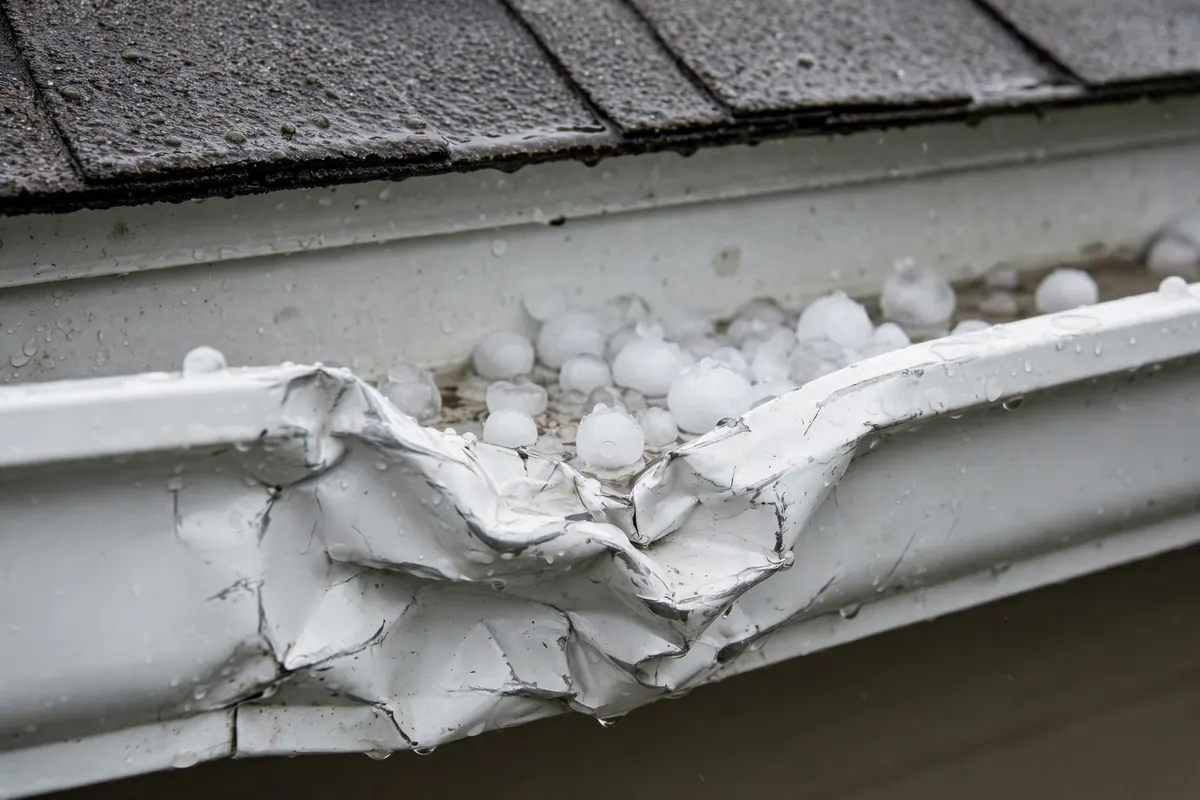
The roof decking under the shingles must be solid before new material goes on; hail-rotted or leak-softened boards are replaced during the tear-off. The insurance adjuster who climbs your roof works from the same test squares and photos, which is why meeting them with documentation ready matters. Every policy sets a filing window — often a year or two from the storm date — and hail found after it closes is usually the owner's bill. Gutters record a storm in dents along their length, and crushed runs are replaced when they can no longer hold their line.
Hail Damage Roof Help In Your City
Every topic in this guide lands on a real roof somewhere — city pages with their own hail records, housing data and local pros:
Emergency Roof Tarping — Questions Homeowners Ask
Tarping, from the 2 a.m. call to the permanent repair.
Still Have Questions? Call Free
A real person answers 24/7 and connects you with a local pro who can check your roof.
📞 (800) 555-0100Reviewed By Hamza
Lead Roofing & Storm Restoration Specialist
Hamza is an exterior restoration specialist with deep expertise in hail damage assessment, storm-related leak diagnostics, and impact-resistant roofing installations across high-altitude and severe-weather climates. He works directly with homeowners to identify hidden structural bruising and ensure long-lasting, code-compliant roof repairs.
Updated October 26, 2026
Guides From The Blog
The tarping context: the first 48 hours around it, and the leak it is stopping.
Need A Tarp On It Tonight?
One free call, answered around the clock — emergency pros can typically reach Colorado homes in 30–60 minutes and dry the roof in on the first visit.
📞 Call (800) 555-0100Free Call · Answered 24/7 · Local Pros Near You