
Storm Damage Roof Repair: Hail, Wind And Debris Compared
In This Guide
Quick Answer
Storm damage roof repair runs in a set order: make the house safe and dry, document everything, inspect and count the damage, open the claim, agree the scope, then repair or replace — with the paperwork for the final payment at the end. Skipping steps is how claims shrink and repairs disappoint. This guide walks the whole sequence for Colorado homeowners, from the first bucket under the drip to the final walkthrough.
Step One And Two: Safe, Dry, Documented
Before any repair conversation, the house has to be safe and the water stopped. Active leaks get a dry-in — tarping or a sealed patch — and wet electrics get isolated. Then, before anything is tidied: photographs. The dents, the debris, the stains, the granules at the downspouts, each with the date attached. Documentation is a step in its own right because it cannot be redone; a storm's evidence weathers, gets cleaned up and blows away within days.
Colorado adds a legal footnote to step one: your policy expects you to prevent further damage, so the dry-in is not just sensible, it is a duty — and its cost normally belongs inside the claim. Keep the emergency invoice with the photographs. Together they are the first page of the file everything else in this guide builds on.
Step Three: The Inspection That Counts
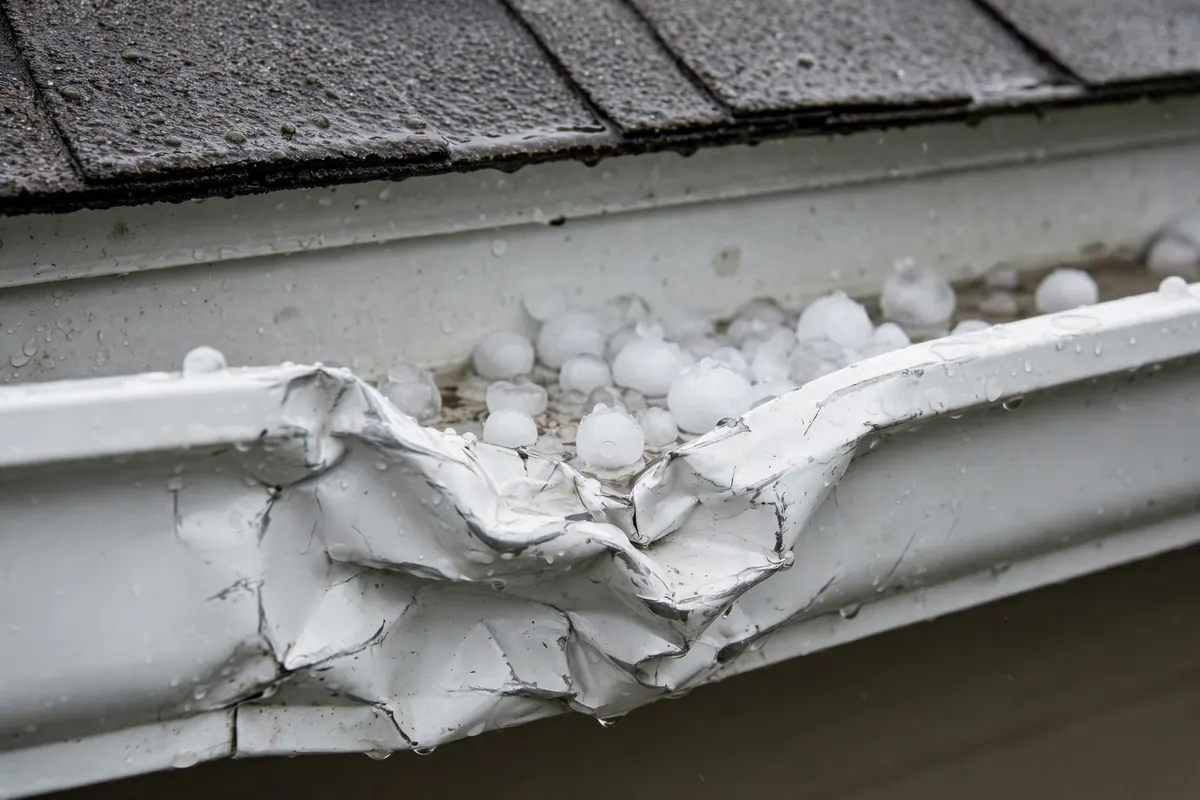
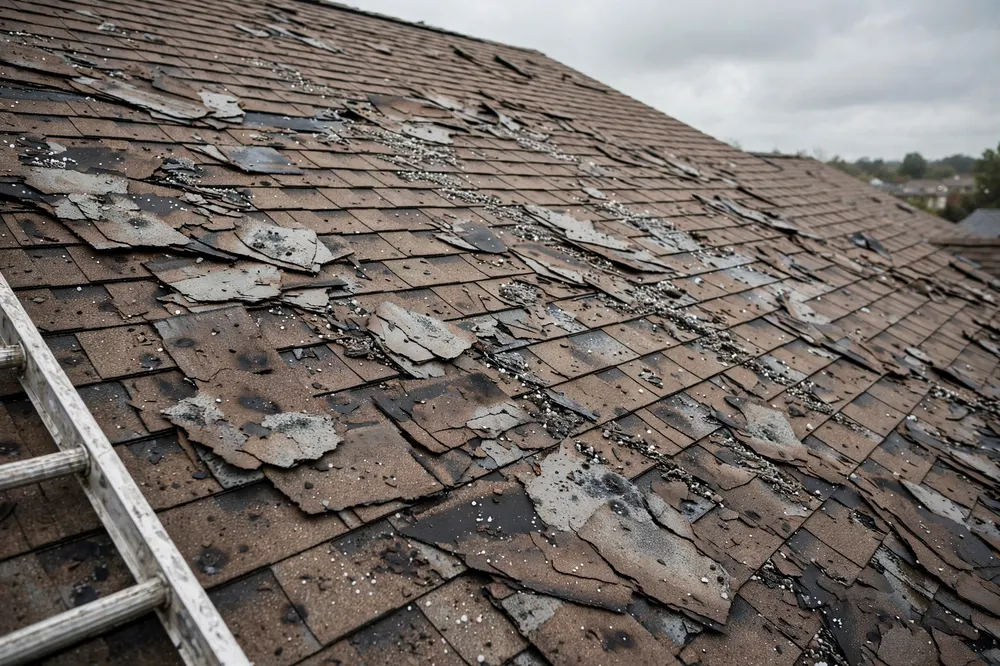
Repair scope follows evidence, and evidence comes from a roof-level inspection: test squares chalked and counted on every slope, bruising checked by hand, soft metals read for size and direction, attic checked for leaks and daylight. The output is a written scope separating storm damage from wear — the document the claim, the quote and any later disagreement all refer back to. A repair arranged without it is a guess with an invoice attached.
This is also the step where repair and replacement part company. Localised damage on a sound roof scopes as a repair. Damage counted across slopes, on a roof near its end, scopes as replacement — and the counts, not the salesmanship, should make that call. Ask to see the squares. Any pro confident in the scope is happy to show the arithmetic.
Step Four: The Claim, Filed On Time
Open the claim with the storm date and the inspection file ready. The adjuster will check the date against the NOAA record — Colorado's storms are all there — and schedule their own inspection. Your filing window is set by your policy and commonly runs one to two years from the storm, but 'later' has a way of becoming 'too late', and damage weathers in the meantime. File while the file is strong.
At the adjuster meeting, having your pro present — same test squares, same photographs — is the standard way scope disagreements get settled on the roof rather than in correspondence. What the adjuster approves becomes the scope of loss: the document the repair is priced against, and the baseline for any supplement if the first scope misses documented damage.
Not Sure What Your Gutters Need?
One free call connects you with a local pro who can look at the whole roof edge — gutters, flashing and shingles — and tell you honestly what is worth fixing.
📞 Call (800) 555-0100Free Call · Answered 24/7 · Local Pros Near You
Step Five: Agreeing The Scope In Writing
The contract should mirror the claim scope and name everything: materials and class, underlayment, membrane placement, flashing scope, decking unit prices, permits, disposal, warranties — and, as Colorado's SB38 requires, the deductible stated openly as yours to pay. Any contractor offering to absorb the deductible is offering a crime as a discount; the written contract is where that shows, so read that page first.
Timelines belong in the same conversation: material lead times, storm-season backlogs, the permit, and the sequence — tear-off day, build day, walkthrough. Storm work in Colorado bunches after every big cell, and the honest pro tells you where your job sits in the queue rather than promising a date the weather will overrule.
Step Six: The Repair Or Replacement Itself
Repair work is surgical: failed boots and flashing replaced, damaged shingles woven out and in, sections rebuilt where the slope demands it. Replacement is systematic: tear-off to the deck, decking repaired, underlayment and ice-and-water shield laid, then shingles, ridge, vents and flashing, and a magnet sweep of the grounds. Either way, photograph the stages — the insurer's final payment on an RCV policy is released against evidence the work was done as scoped.
Your part during the work is small: access, pets indoors, vehicles clear of the dumpster side, and a walkthrough at the end with the pro — on the ground, with the photographs, checking cleanup and the yard sweep. Keep the final invoice, the permit sign-off and the warranty papers with the claim file; the file is the roof's biography now, and the next buyer or adjuster will read it.
Step Seven: Close-Out And The Next Storm
Close-out is where RCV claims complete: the depreciation holdback is released when completion is documented, and any supplement for damage found during the work is filed with its photographs. If the final scope and the paid scope differ, this is the moment to reconcile them — not next season. Keep everything: a complete storm file routinely matters again, at renewal, at sale, or when the next storm's damage has to be separated from this one's.
Then reset the clock: the annual inspection habit resumes, the small maintenance items get their visit, and the roof goes back to being the part of the house you do not think about — which, in Colorado hail country, is the entire point of doing the storm process properly once.
The insurance adjuster who climbs your roof works from the same test squares and photos, which is why meeting them with documentation ready matters. Colorado SB38 is the state consumer-protection law for roofing work: written contracts, honest deductible handling and no pressure tactics after a storm. A temporary dry-in — tarps, plastic sheeting or a sealed patch — is what stands between a damaged roof and the next storm until the crew arrives.
Hail Damage Roof Help In Your City
Every topic in this guide lands on a real roof somewhere — city pages with their own hail records, housing data and local pros:
Storm Damage Roof Repair — Questions Homeowners Ask
The whole process, questioned step by step.
Still Have Questions? Call Free
A real person answers 24/7 and connects you with a local pro who can check your roof.
📞 (800) 555-0100Reviewed By Hamza
Lead Roofing & Storm Restoration Specialist
Hamza is an exterior restoration specialist with deep expertise in hail damage assessment, storm-related leak diagnostics, and impact-resistant roofing installations across high-altitude and severe-weather climates. He works directly with homeowners to identify hidden structural bruising and ensure long-lasting, code-compliant roof repairs.
Updated October 26, 2026
Guides From The Blog
Zoom in on the two steps homeowners rush: the inspection, and the claim.
Storm Damage Waiting On Your Roof?
Start at step one with one free call: a local pro inspects, photographs and counts the damage, and you decide the rest with the evidence in hand.
📞 Call (800) 555-0100Free Call · Answered 24/7 · Local Pros Near You