
How Often Should You Get A Roof Inspection In Colorado?
In This Guide
Quick Answer
In Colorado, the working rule is: a professional roof inspection every year, plus one after any hailstorm that drops pea-size hail or bigger on your street. Hail is the reason this state differs — damage is usually invisible from the ground, rarely leaks at first, and has a claim deadline attached. This guide sets out the rhythm, what an inspection actually involves, and the moments that should move you to book one sooner.
The Colorado Rule: Yearly, And After Storms
Most states can stretch roof inspections to every two or three years. Colorado's hail record argues for a tighter rhythm: one professional inspection a year, ideally in spring before the season or autumn after it, and an extra one after any storm that drops visible hail on your neighbourhood. The yearly visit tracks ageing; the post-storm visit protects the claim, because hail damage found early is damage that can still be filed.
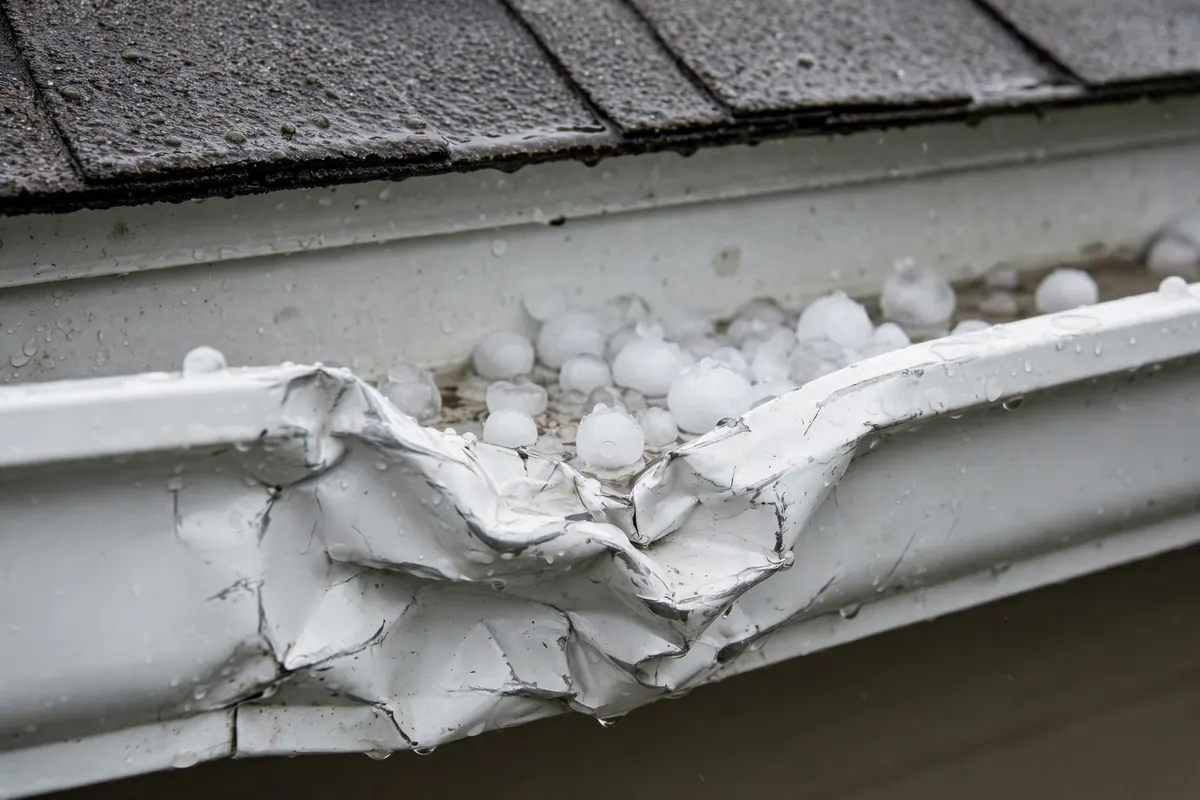
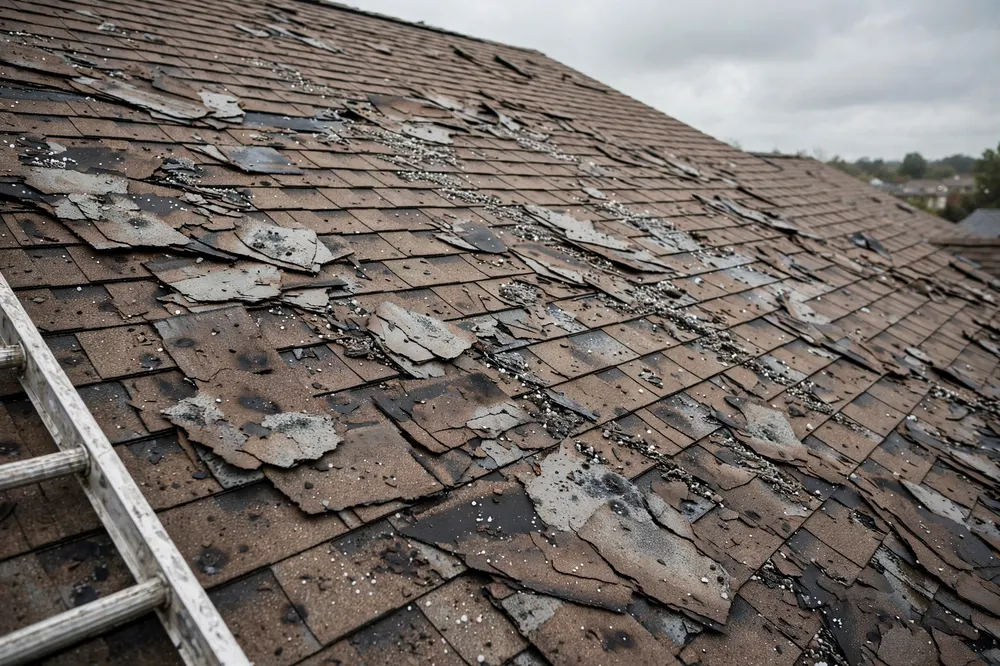
The reason is how hail damage behaves. It bruises and cracks the shingle mat and strips granules, yet typically leaks nothing at first — the roof fails months later, as sun and freeze-thaw work the damage open. A homeowner cannot schedule around a symptom that arrives a season late. The calendar, not the ceiling stain, has to drive the inspection habit in Hail Alley.
What A Professional Inspection Actually Checks
A real inspection is a measurement, not a glance. The inspector walks every slope, chalks a 10-by-10-foot test square on each face and counts the hail hits inside it, reads the soft metals — vents, caps, flashing, gutters — for the storm's signature, and checks ridge, valleys and penetrations. Where access allows, the attic is checked for daylight, damp insulation and deck staining. You should receive dated photographs and a written summary, not a verbal verdict at the door.
It also separates three things homeowners routinely mix up: storm damage, wear, and manufacturing or installation faults. Blistering, curling and granule loss from age are not claimable; hail fractures are. That separation, documented slope by slope, is exactly what an insurance adjuster needs — and what protects you if you are selling, since a buyer's inspector will draw the same distinctions less kindly.
The Moments That Should Bring An Inspection Forward
Some events should jump the queue. Hail of any size on your street — especially with dents appearing in gutters or car screens. Neighbours' roofs being inspected or replaced after the same storm. A new ceiling stain, however small. Shingle fragments or heavy granules in the yard. A home purchase: never inherit a roof's condition on trust when an inspection costs so little against the price of the house itself.
Age is the other trigger. Past about twelve to fifteen years, an asphalt roof's hail resistance falls off a cliff — the same stone that scuffs a young roof cracks an old one. If your roof is in that band and a storm season has passed without a check, the inspection is not a formality; it is the difference between a covered replacement this year and an uncovered one in three.
Not Sure What Your Gutters Need?
One free call connects you with a local pro who can look at the whole roof edge — gutters, flashing and shingles — and tell you honestly what is worth fixing.
📞 Call (800) 555-0100Free Call · Answered 24/7 · Local Pros Near You
DIY Checks Between Professional Visits
Between inspections, your job is surveillance from the ground, and it is genuinely useful. Walk the property after storms with binoculars: look for lifted or missing tabs, debris, and dents in the soft metals you can see. Check the downspout splash blocks for granule build-up, and ceilings after hard rain for new marks. Photograph everything with dates. What you must not do is climb up yourself — hail-loosened granules make shingles treacherous underfoot.
Keep a simple roof file: the inspection reports, photographs, storm dates and any repair invoices. It takes minutes per storm and pays out three ways — a stronger claim if you file one, a cleaner sale if you sell, and a clear record of what was fixed when, which stops every future pro from re-diagnosing your roof from zero.
What An Inspection Costs — And When It Is Free
Standalone inspection fees exist, but in Colorado the common route after storms is a free inspection booked through a roofing pro or a matching service like this one: the pro photographs and counts, and earns their money only if you later choose them for work the inspection identifies. There is no obligation attached, and a clean roof earns you a dated record that it was clean — valuable in itself when you sell or when a later storm's damage needs separating from this year's.
Be warier of the opposite extreme: the door-knocker offering a free inspection plus a guaranteed claim, a covered deductible and a contract to sign today. Colorado law (SB38) forbids the deductible promise outright, and guaranteed claim outcomes are not any contractor's to promise. A proper inspection ends with photographs and a written summary you keep, whoever does any resulting work.
Keeping The Rhythm: A Simple Annual Plan
Put the inspection on the same annual footing as the furnace service. Spring suits Colorado: it catches winter's ice and freeze-thaw damage before hail season and leaves room to schedule work before the summer rush. After any notable storm, add the post-storm check to the same file. Two visits in a bad year, one in a quiet year — that rhythm keeps every claim window open and every repair small.
The payoff compounds. Roofs inspected yearly get their pipe boots, sealant and flashing renewed while those are twenty-minute fixes, their hail found inside the filing window, and their replacements planned rather than panicked. In a state that leads the nation for large hail, that is not caution — it is simply how roofs are kept here.
Chalk marks are how the hits get counted: the pro circles every strike in the test square so the pattern can be photographed and argued from evidence. Roof age decides how much hail a shingle can take — the same stone that scuffs a five-year-old roof can crack a fifteen-year-old one open. Colorado SB38 is the state consumer-protection law for roofing work: written contracts, honest deductible handling and no pressure tactics after a storm. A drone inspection covers steep or fragile slopes without foot traffic, and its images pair with the chalked test squares from the ladder work. Attic ventilation decides how fast a wet roof deck dries after a leak — and how much heat and ice trouble a roof sees in winter.
Hail Damage Roof Help In Your City
Every topic in this guide lands on a real roof somewhere — city pages with their own hail records, housing data and local pros:
Roof Inspection — Questions Homeowners Ask
How often, what it costs, what it finds — the inspection questions Colorado homeowners ask most.
Still Have Questions? Call Free
A real person answers 24/7 and connects you with a local pro who can check your roof.
📞 (800) 555-0100Reviewed By Hamza
Lead Roofing & Storm Restoration Specialist
Hamza is an exterior restoration specialist with deep expertise in hail damage assessment, storm-related leak diagnostics, and impact-resistant roofing installations across high-altitude and severe-weather climates. He works directly with homeowners to identify hidden structural bruising and ensure long-lasting, code-compliant roof repairs.
Updated October 26, 2026
Guides From The Blog
Paired reading: what hail damage looks like to a trained eye, and what an inspection costs when it is not free.
Due For This Year's Inspection?
One free call books a roof inspection with an independent local pro — chalked test squares, photographs and a written summary, with no obligation attached.
📞 Call (800) 555-0100Free Call · Answered 24/7 · Local Pros Near You