
Metal Roof Hail Damage: Cosmetic Dents Or Functional Damage?
In This Guide
Quick Answer
Hail rarely makes a metal roof leak — but it dents it, and whether those dents are 'damage' worth a claim is the longest-running argument in Colorado roofing. Standing seam and corrugated panels fail differently, insurers judge functional versus cosmetic damage by their own rules, and the repair options range from panel replacement to living with the dimples. This guide explains what hail actually does to metal roofs and how the claim usually plays out.
What Hail Does To Metal: Dents, Not Holes
Metal sheds hail differently from shingles. A stone that would crack a shingle's mat meets a surface that gives a little and keeps its watertightness: the result is a dent, not a fracture. Panels rarely puncture — that takes very large, dense hail — and seams and laps usually stay closed. The roof goes on shedding water, sometimes for decades, wearing the storm as a pattern of dimples across the slopes that faced it.
That resilience is precisely the problem at claim time. Shingle hail damage is functional by definition — the mat is broken. Metal hail damage is visible, undeniable and yet mostly cosmetic in its effect on the roof's job. Everything else in this guide hangs off that single tension between what the eye sees and what the roof still does.
Standing Seam Versus Corrugated And Exposed Fasteners
Standing seam roofs — raised interlocking seams, hidden fasteners — take hail best: dents land in the flat pans between seams, seams themselves rarely open, and there are no exposed screw heads to work loose. Corrugated and exposed-fastener panels dent around their fasteners and laps; over years, dented laps and stressed screw seals are where metal roofs eventually weep. The inspection reads them differently, panel type by panel type.
Finish matters too. Paint systems chip at hard impact points, and a chipped panel in Colorado's sun starts its slow road to corrosion years before an undamaged one. An inspection that only counts dents and skips the finish misses the damage with the longest fuse — one reason metal roofs deserve the same photographed, slope-by-slope treatment as shingles after a big storm.
Functional Versus Cosmetic: The Insurer's Line
Insurers pay for damage that impairs function. On metal, the functional list is specific: seams split or opened, panels punctured or creased at laps, fasteners backed out or seals broken, flashing torn, and finish damage extensive enough to void corrosion protection. Dents in open pans, however ugly, are usually classed cosmetic — and many policies exclude cosmetic damage to metal explicitly, a clause worth reading before the storm, not after.
This is not a reason to skip the inspection; it is a reason to have it done by someone who knows where the functional line runs on your panel type. The claim that succeeds on metal is precise: this seam opened, these fasteners are compromised, this flashing is creased — photographed and located — not 'the roof is dented' in general.
Not Sure What Your Gutters Need?
One free call connects you with a local pro who can look at the whole roof edge — gutters, flashing and shingles — and tell you honestly what is worth fixing.
📞 Call (800) 555-0100Free Call · Answered 24/7 · Local Pros Near You
Repair Options For A Dented Metal Roof
Where damage is functional and localised — a creased flashing, a split seam section, a punctured panel — the repair is panel work: sections are unseamed or unfastened, replaced, and resealed, with colour match subject to the same fading realities as siding. Whole-slope replacement enters when damage is widespread and functional across it, which on metal usually means a truly exceptional storm. Cosmetic denting alone rarely justifies panel replacement on any honest scope.
What not to do: fill dents, paint over split seams, or accept a 'restoration coating' sold as a cure for structural seam damage. Coatings have their place on ageing metal; over hail damage they mostly hide it — including from the next adjuster. Document first, argue the functional case with photographs, and repair what the evidence supports.
Metal, Hail And The Next Roof Decision
Homeowners replacing a hail-killed shingle roof often ask whether metal ends the hail problem. It changes it: leaks become unlikely, claims become arguments, and the roof's enemies shift to finish wear and fastener ageing. In Colorado's sun and storm pattern, metal is a legitimate fifty-year answer for the right house and budget — provided the owner understands that the next big storm will probably mark it, visibly and permanently, without breaking it.
Shingle technology has its own answer: Class 4 impact-resistant asphalt shingles, rated under UL 2218, which absorb the same storms with far less marking and a claim story insurers handle routinely. The metal-versus-Class-4 conversation is the real Colorado roofing decision, and it deserves a pro who will price and argue both honestly rather than sell the one on the truck.
Documenting A Metal Roof After A Storm
Metal shows hail best in raking light: photograph slopes at an angle, early or late in the day, and the dent field appears. Count and mark the functional items separately — seams, laps, fasteners, flashings, finish chips — from the cosmetic pan dents. Note the storm date; pair it with the NOAA record. The file you want reads like a survey, not a complaint.
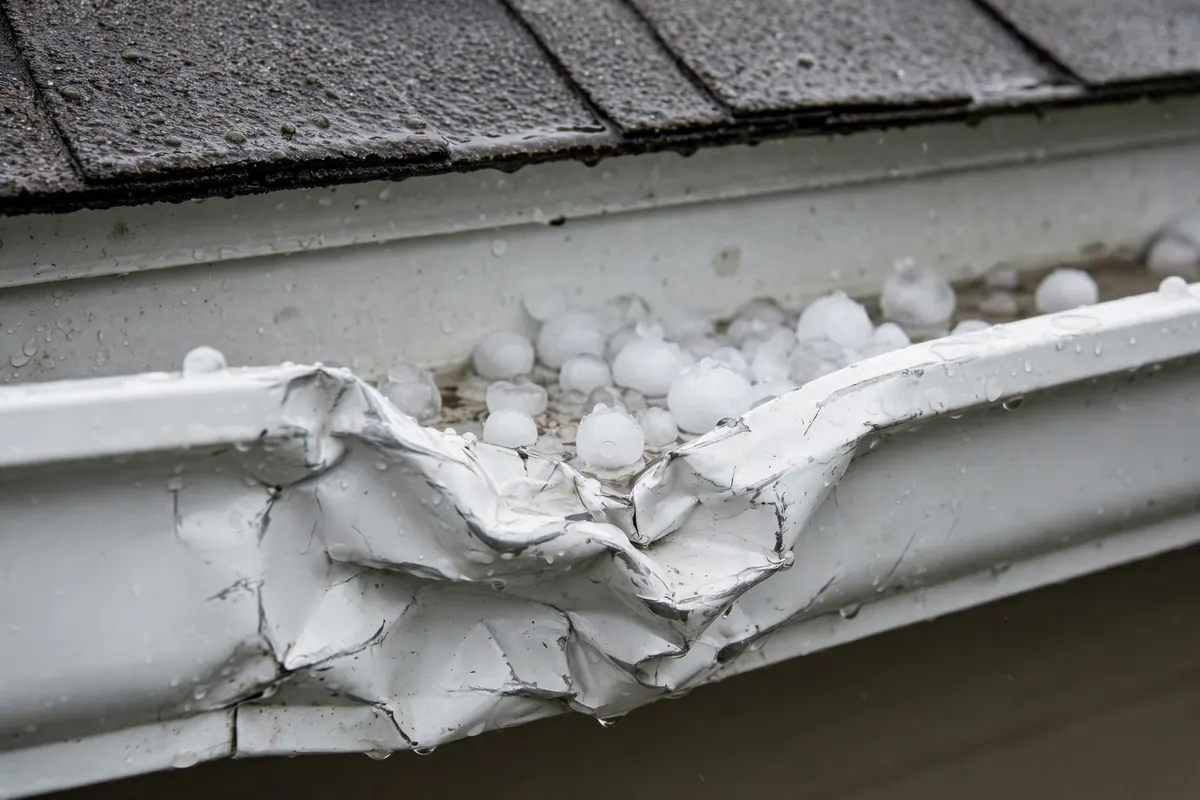
And keep the ground evidence too: dented gutters, vents and AC fins size the storm that hit the panels. If the claim is declined as cosmetic, that file is still the baseline that dates any later, genuinely functional damage — the same reason a clean bill on any roof is worth having in writing.
A corrugated metal roof dents visibly under hail; most dents are cosmetic, but split seams and cracked fasteners are not. The UL 2218 impact rating is the laboratory test behind the Class 1-to-4 scale, earned by surviving steel-ball drops without cracking. The insurance adjuster who climbs your roof works from the same test squares and photos, which is why meeting them with documentation ready matters. A test square, the chalked 10-by-10-foot area marked on each slope, is how hits are counted the same way on every roof and every claim.
Hail Damage Roof Help In Your City
Every topic in this guide lands on a real roof somewhere — city pages with their own hail records, housing data and local pros:
Metal Roof Repair — Questions Homeowners Ask
Metal roofs and hail: the dent, the claim and the repair, questioned honestly.
Still Have Questions? Call Free
A real person answers 24/7 and connects you with a local pro who can check your roof.
📞 (800) 555-0100Reviewed By Hamza
Lead Roofing & Storm Restoration Specialist
Hamza is an exterior restoration specialist with deep expertise in hail damage assessment, storm-related leak diagnostics, and impact-resistant roofing installations across high-altitude and severe-weather climates. He works directly with homeowners to identify hidden structural bruising and ensure long-lasting, code-compliant roof repairs.
Updated October 26, 2026
Guides From The Blog
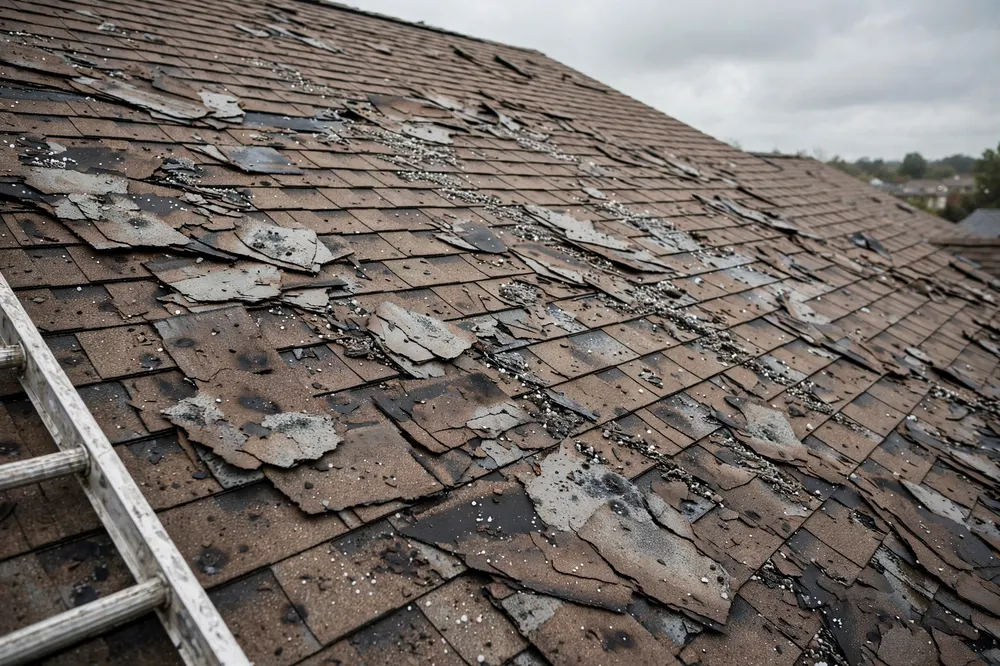
Compare materials: what hail does to shingles, and the inspection method both share.
Dents On Your Metal Roof?
One free call books an inspection that reads a metal roof the way adjusters do — seams, fasteners and finish included — with the photographs to support whatever it finds.
📞 Call (800) 555-0100Free Call · Answered 24/7 · Local Pros Near You